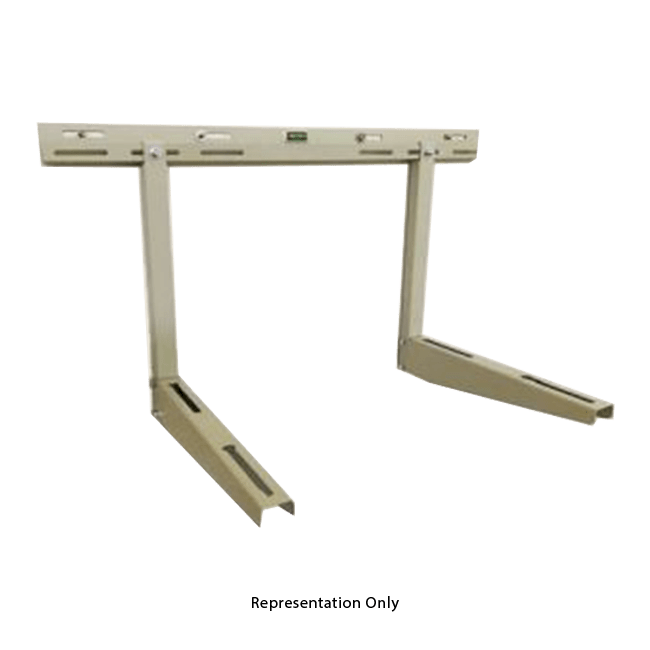
 AC Installation Accessories
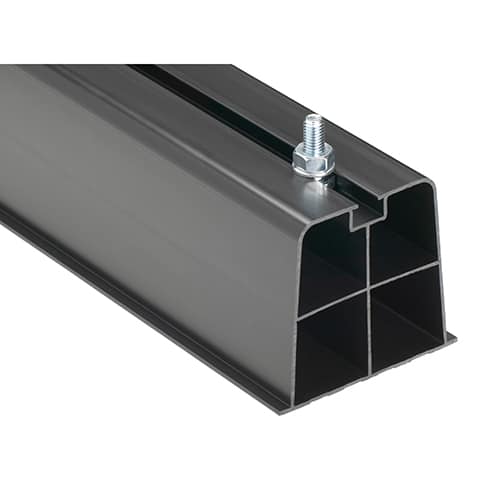 Condenser Support Systems
 Roof Mount Systems
 Cassette Split Systems
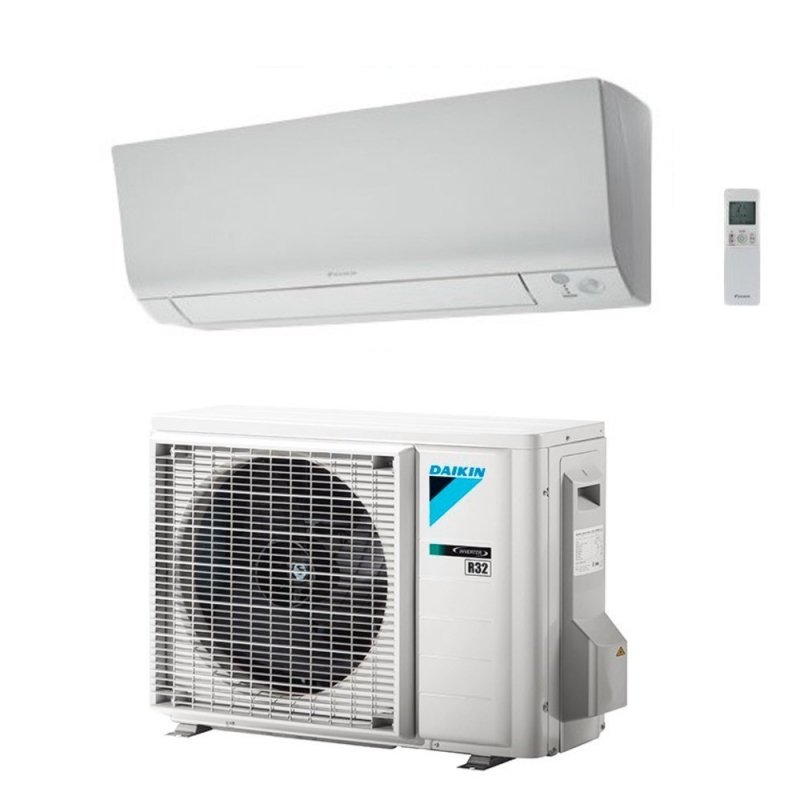 Wall Mounted Split Systems
 AC Couplers
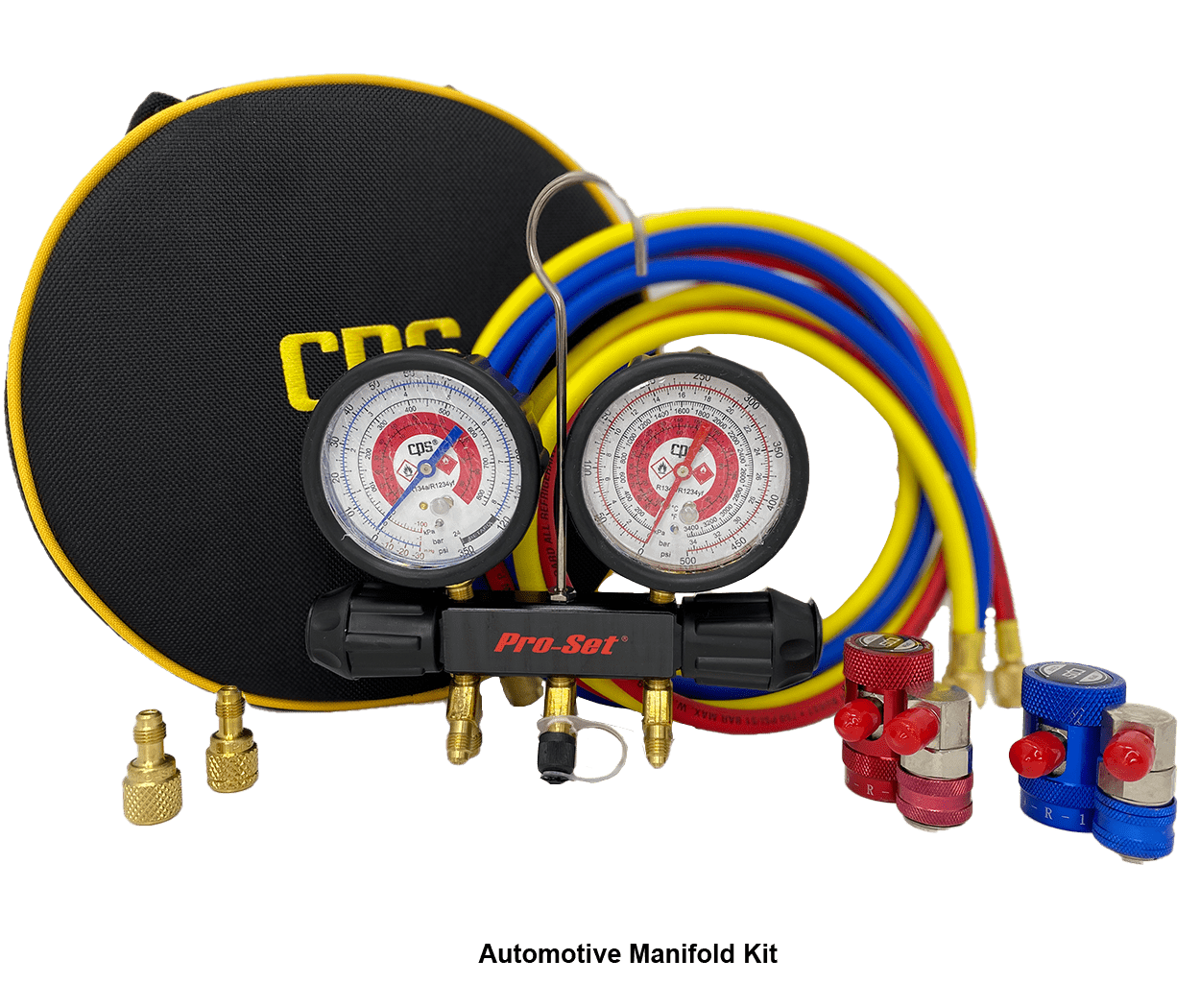 Automotive Manifolds
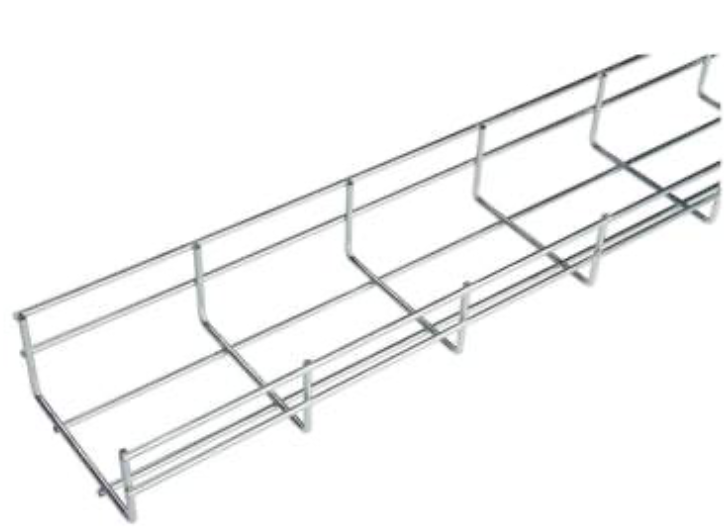 Basket Tray
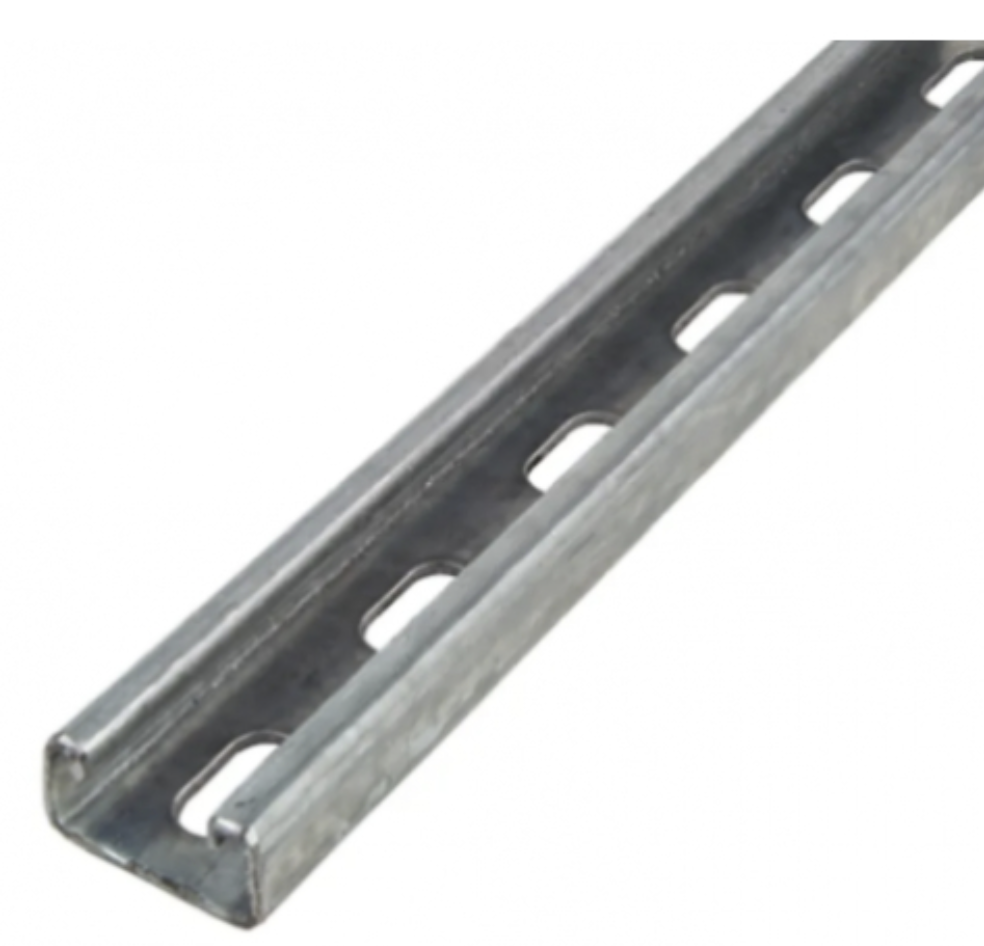 Channel & Tray
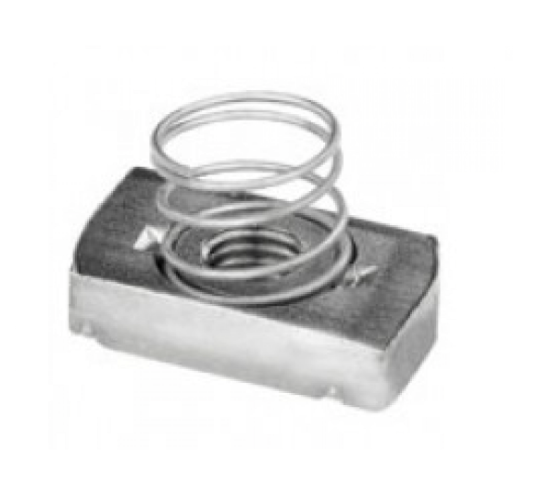 Channel Nuts
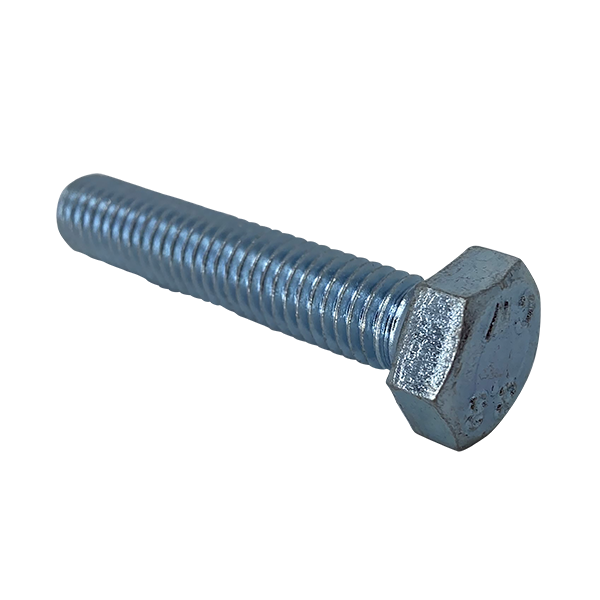 Screws & Bolts
 Threaded Rod
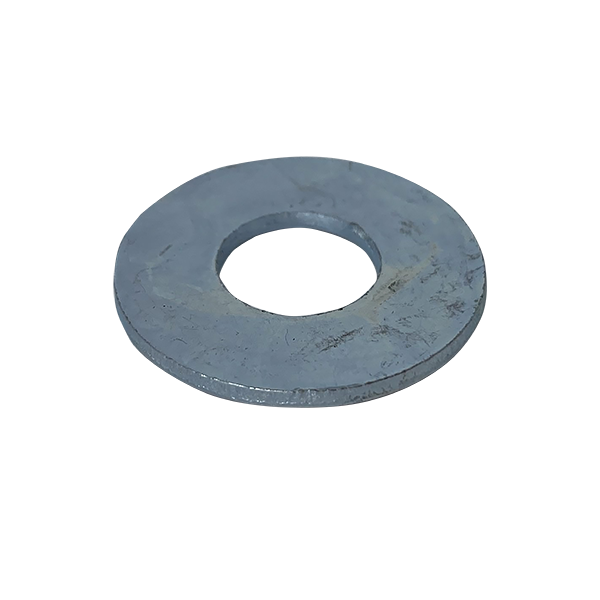 Washers
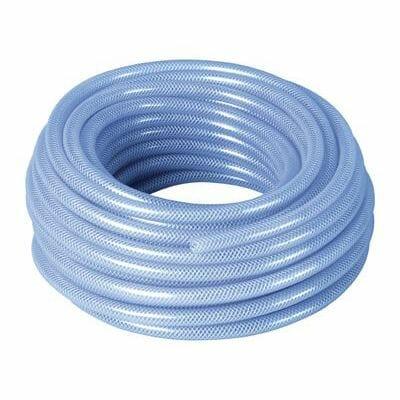 Braided Hose
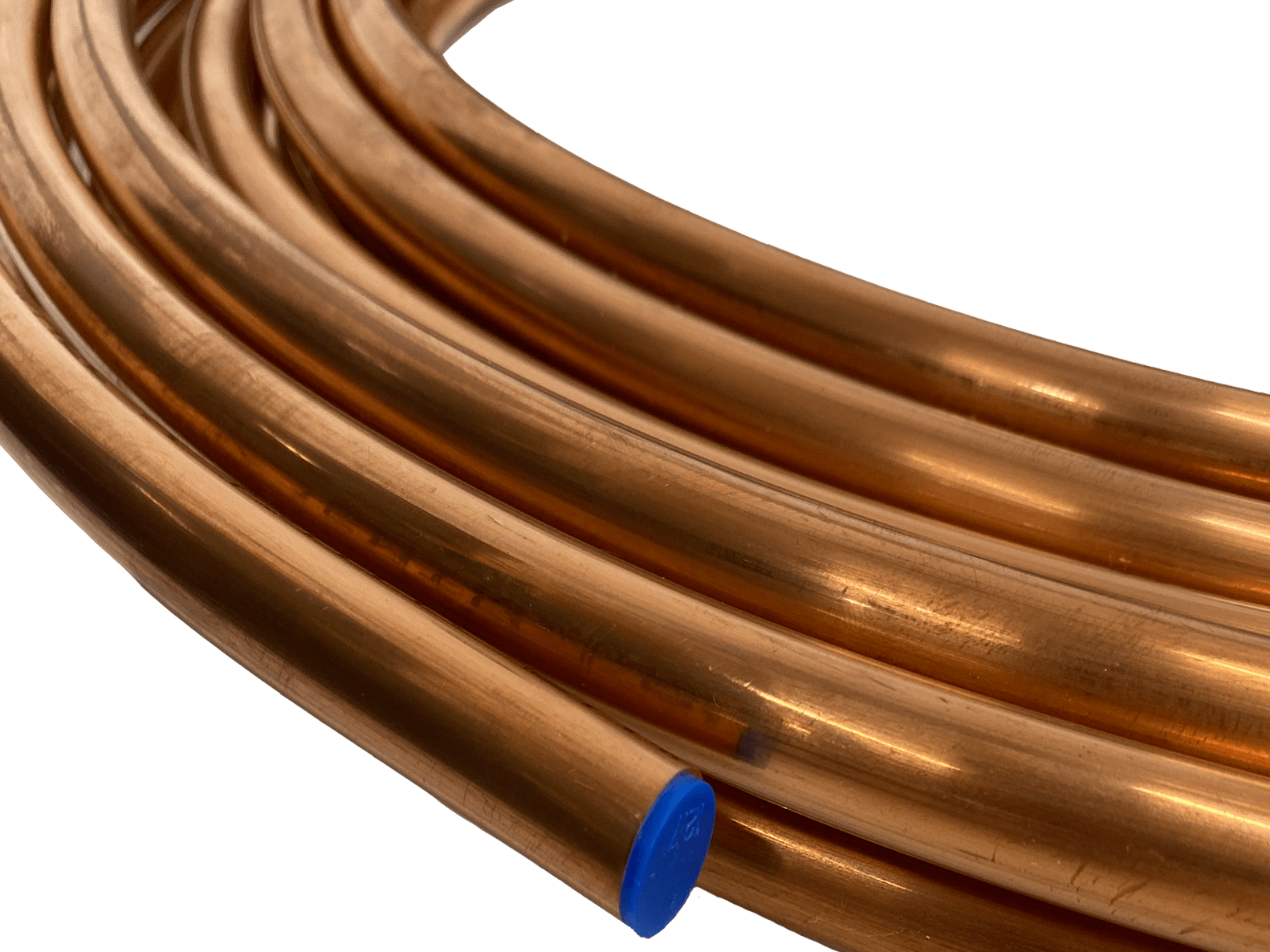 Copper Tube
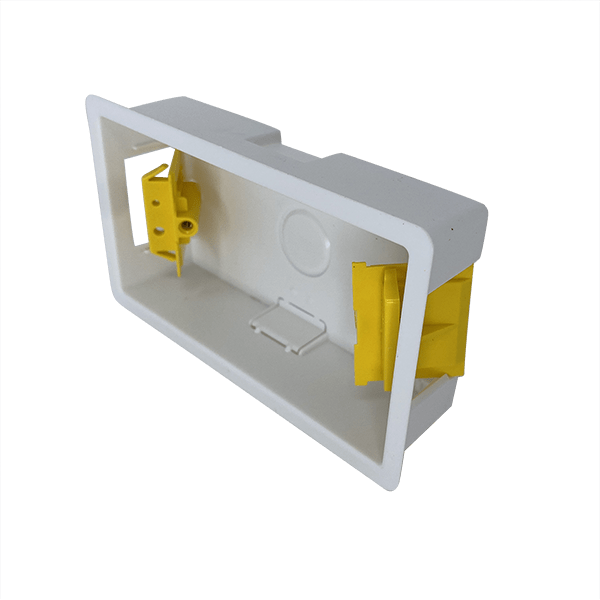 Back Boxes
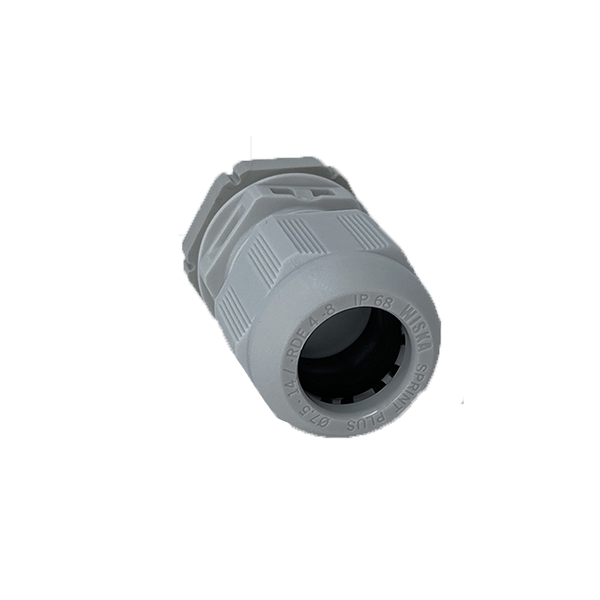 Cable Glands
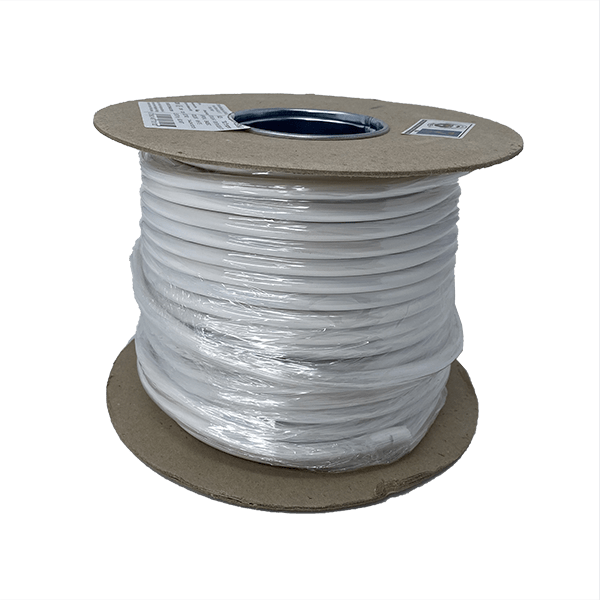 Electrical Cable
 Electrical Tape
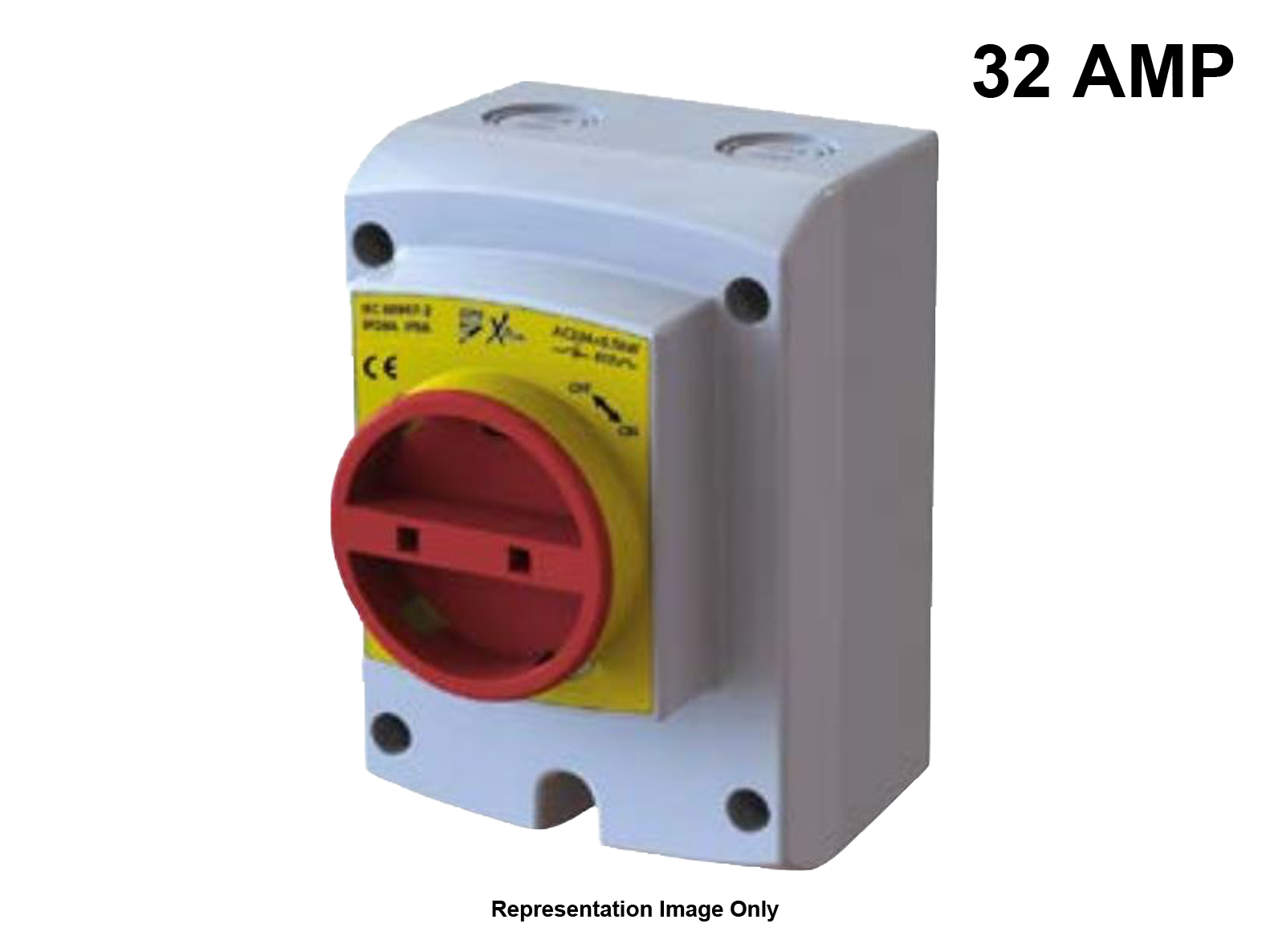 Isolators
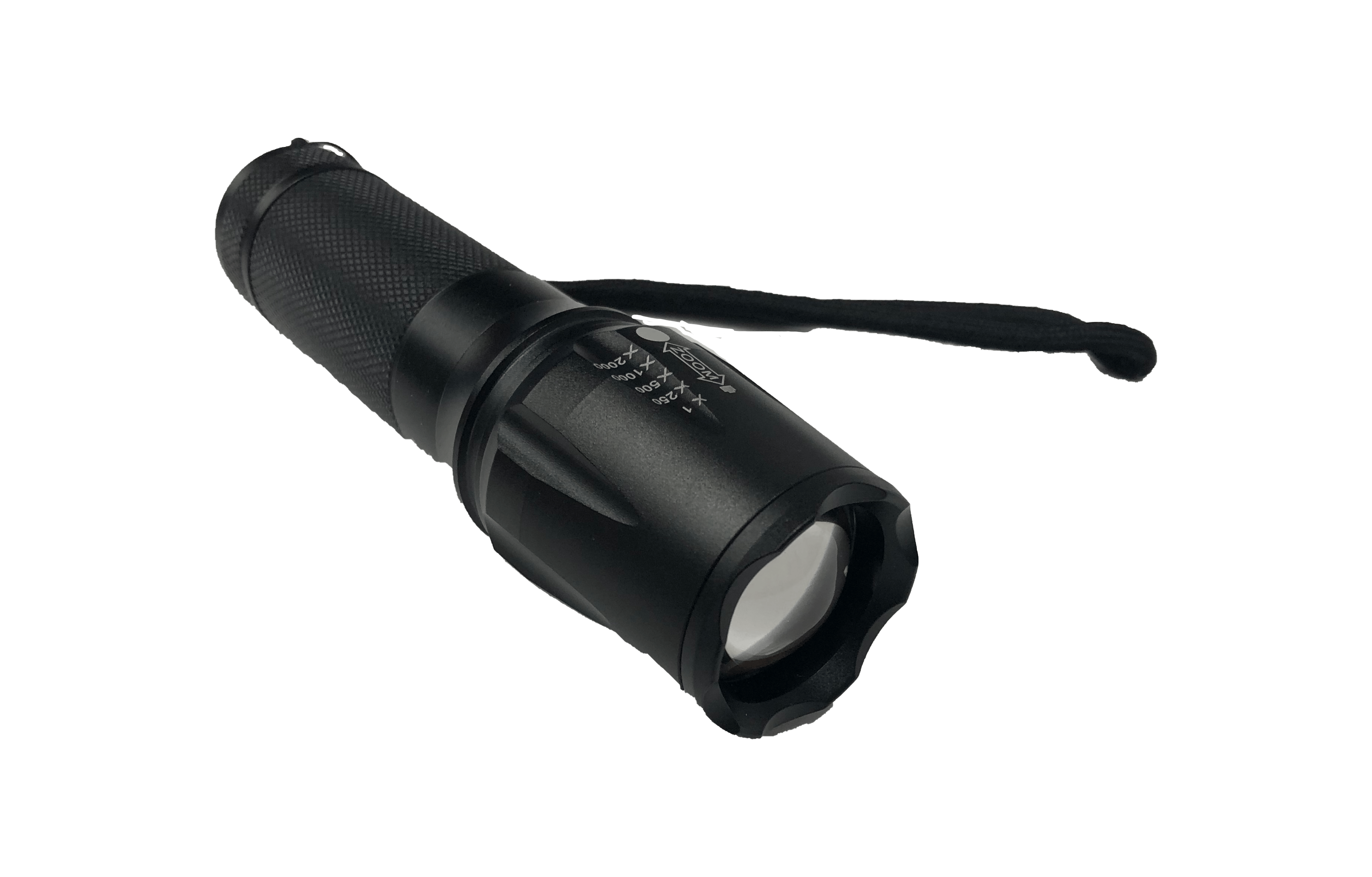 Lamps & Torches
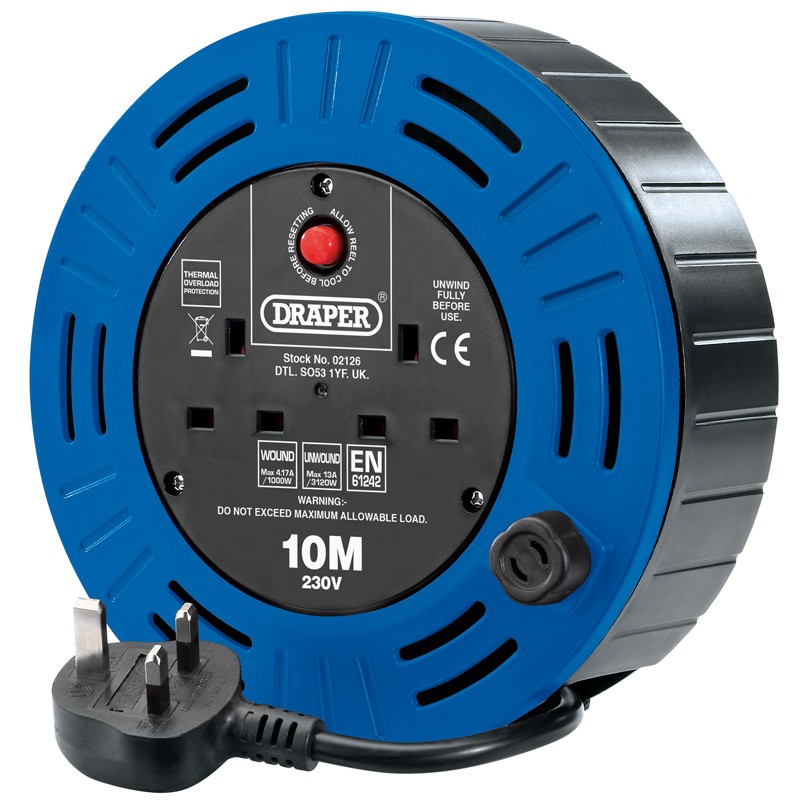 Plugs & Extension Leads
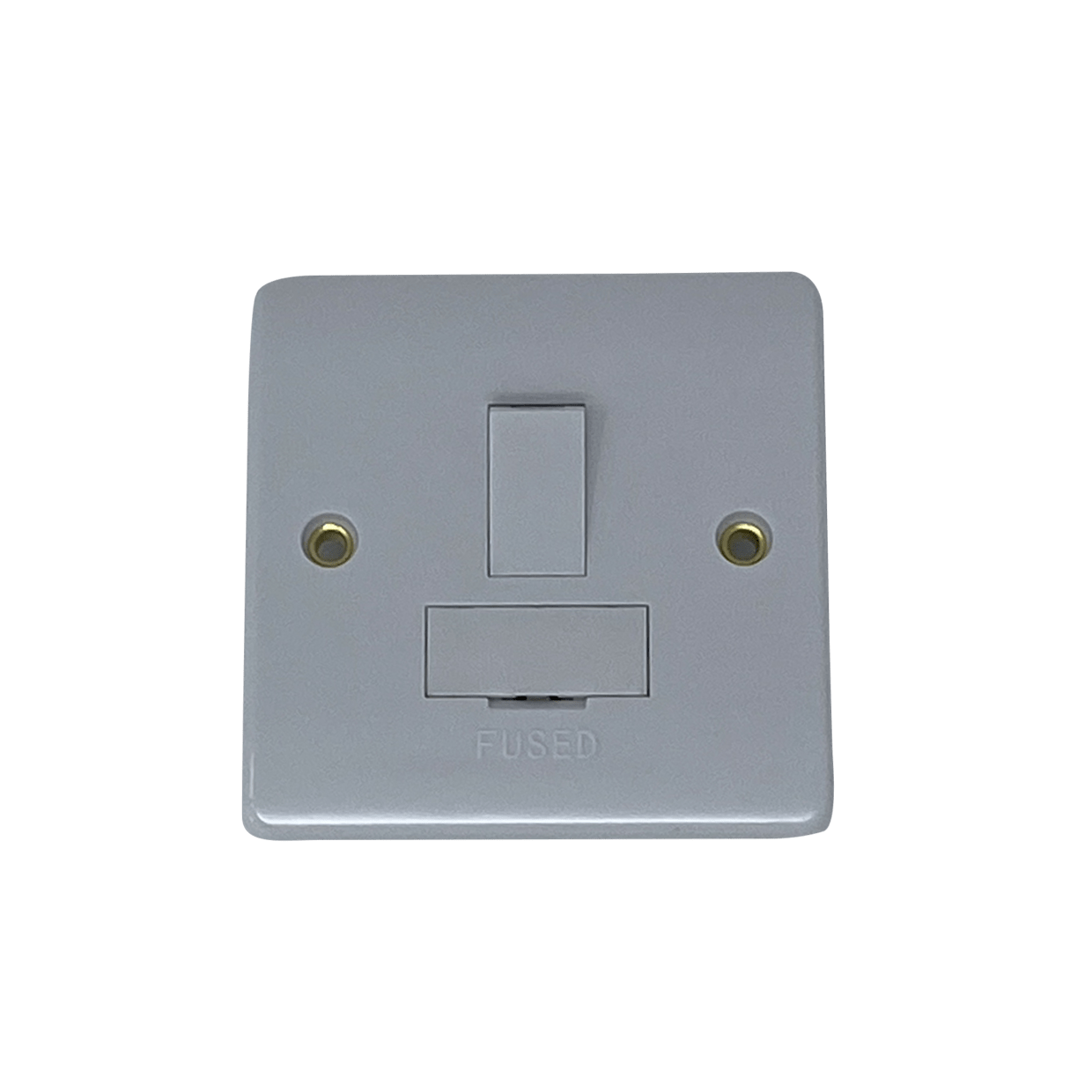 Switches
 Inspection Tools
 Mobile Device Accessories
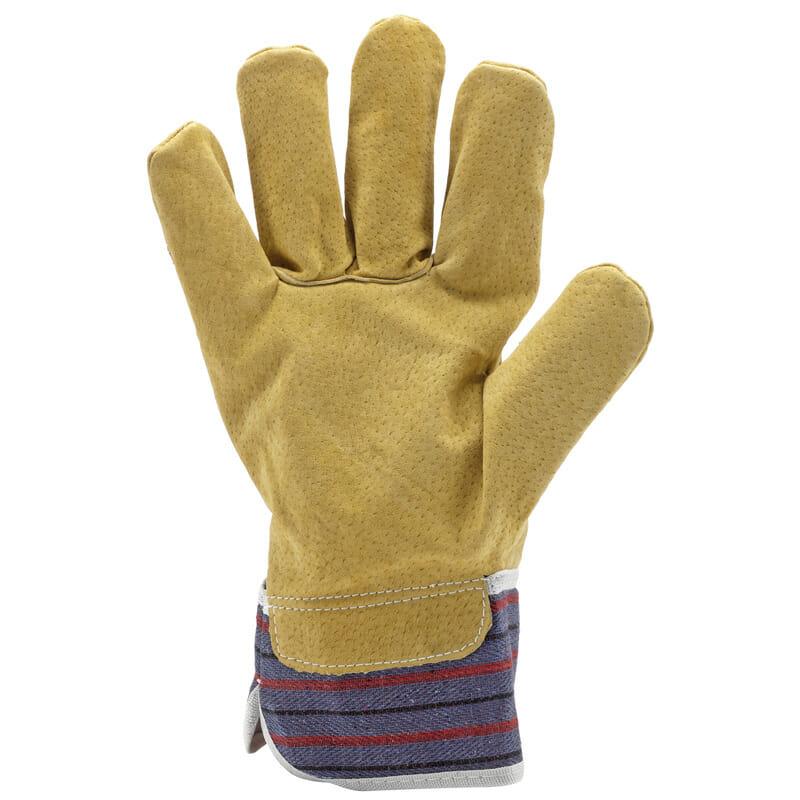 PPE
PPE Hi-Vis Clothing
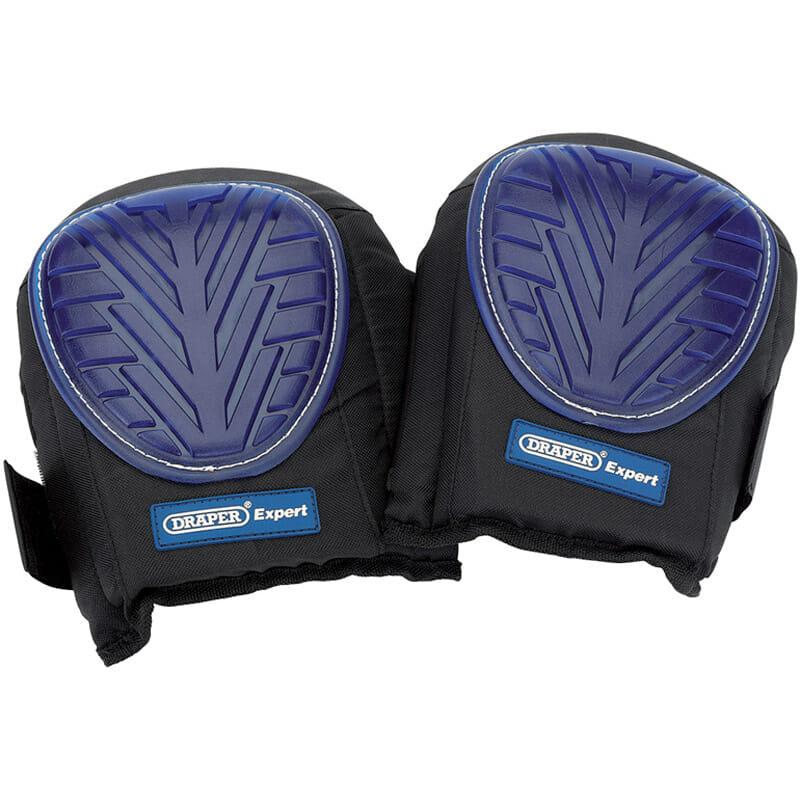 Knee Pads
 Safety Gloves
 Safety Helmets
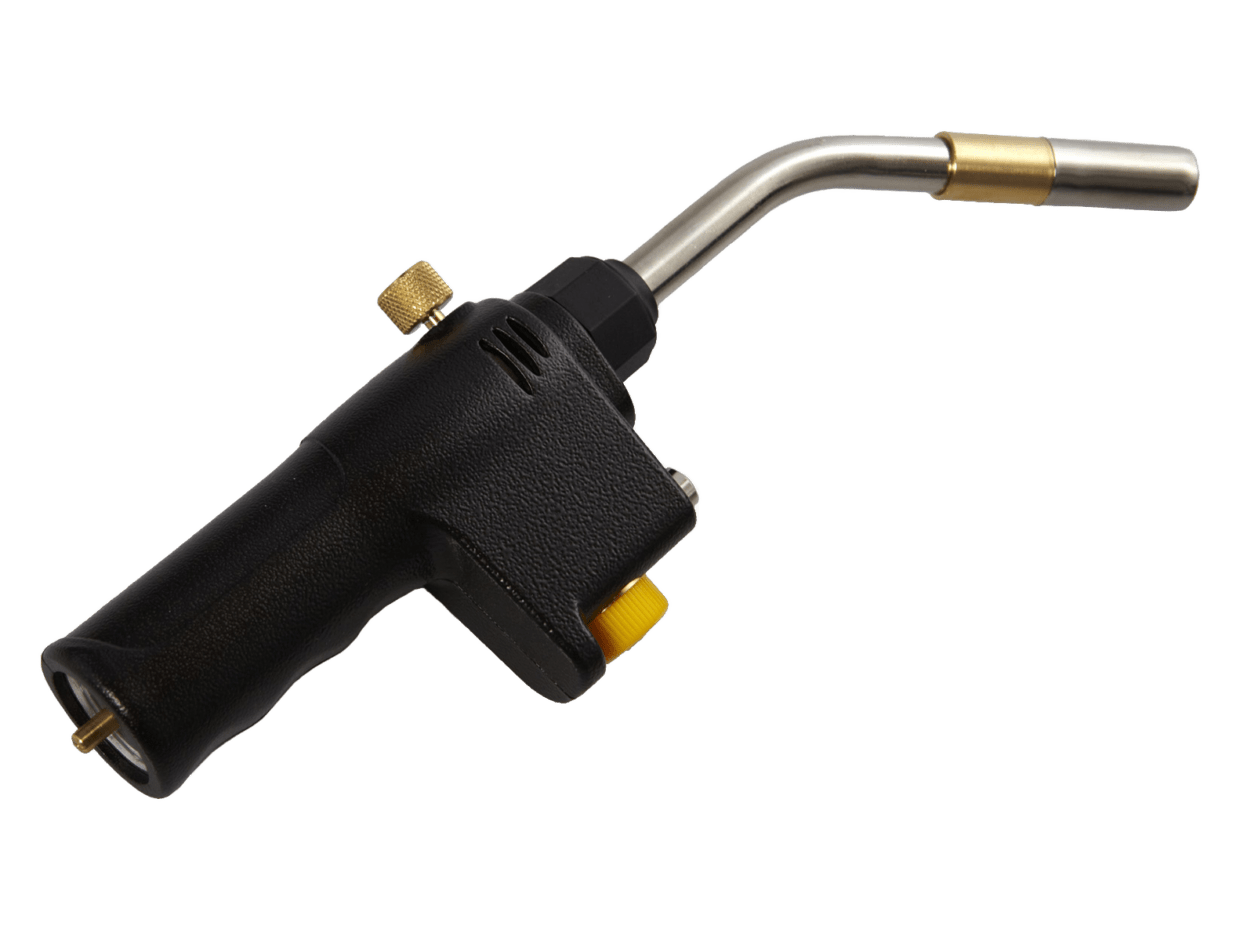 Brazing Tools
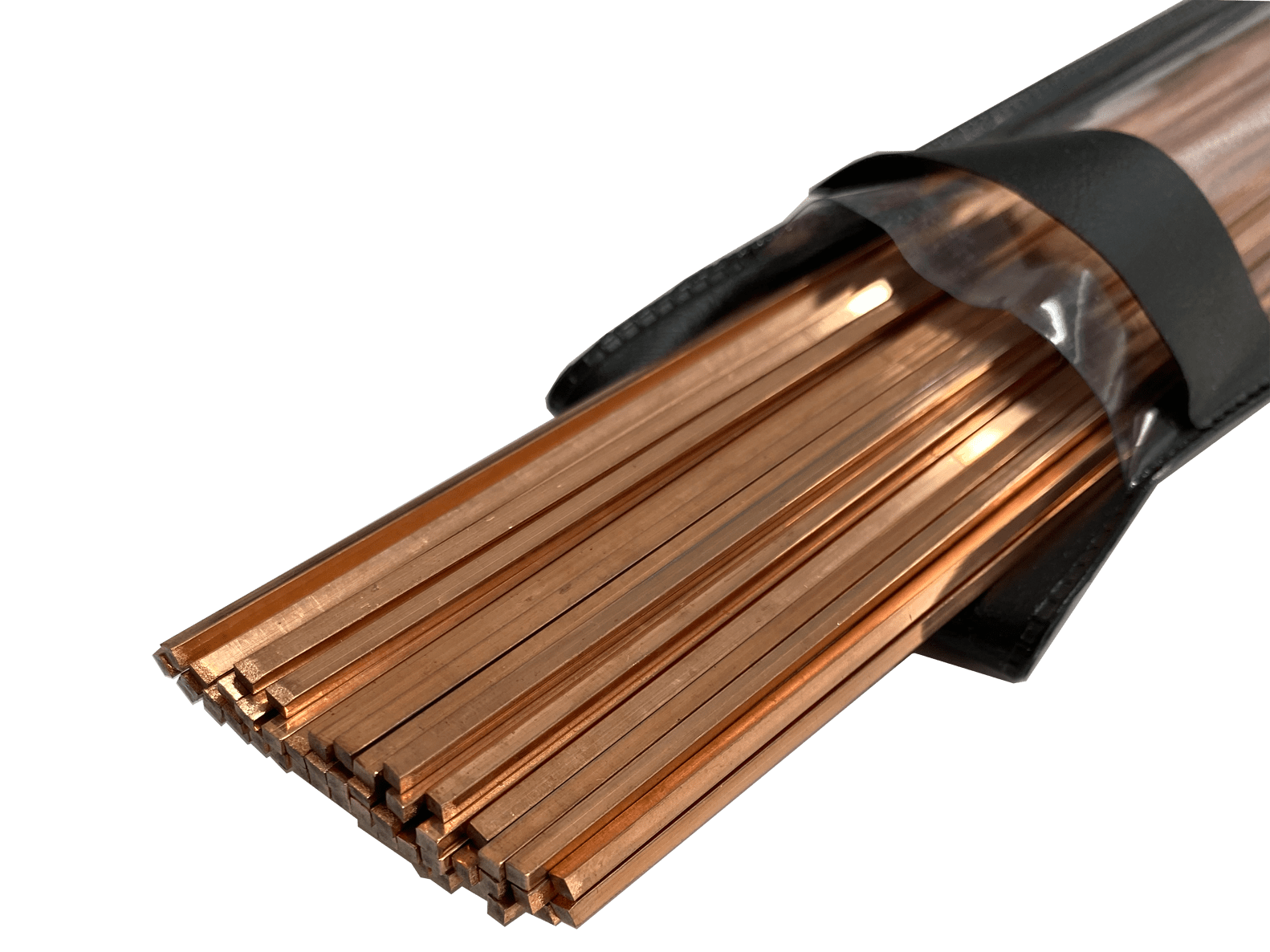 Brazing Rods
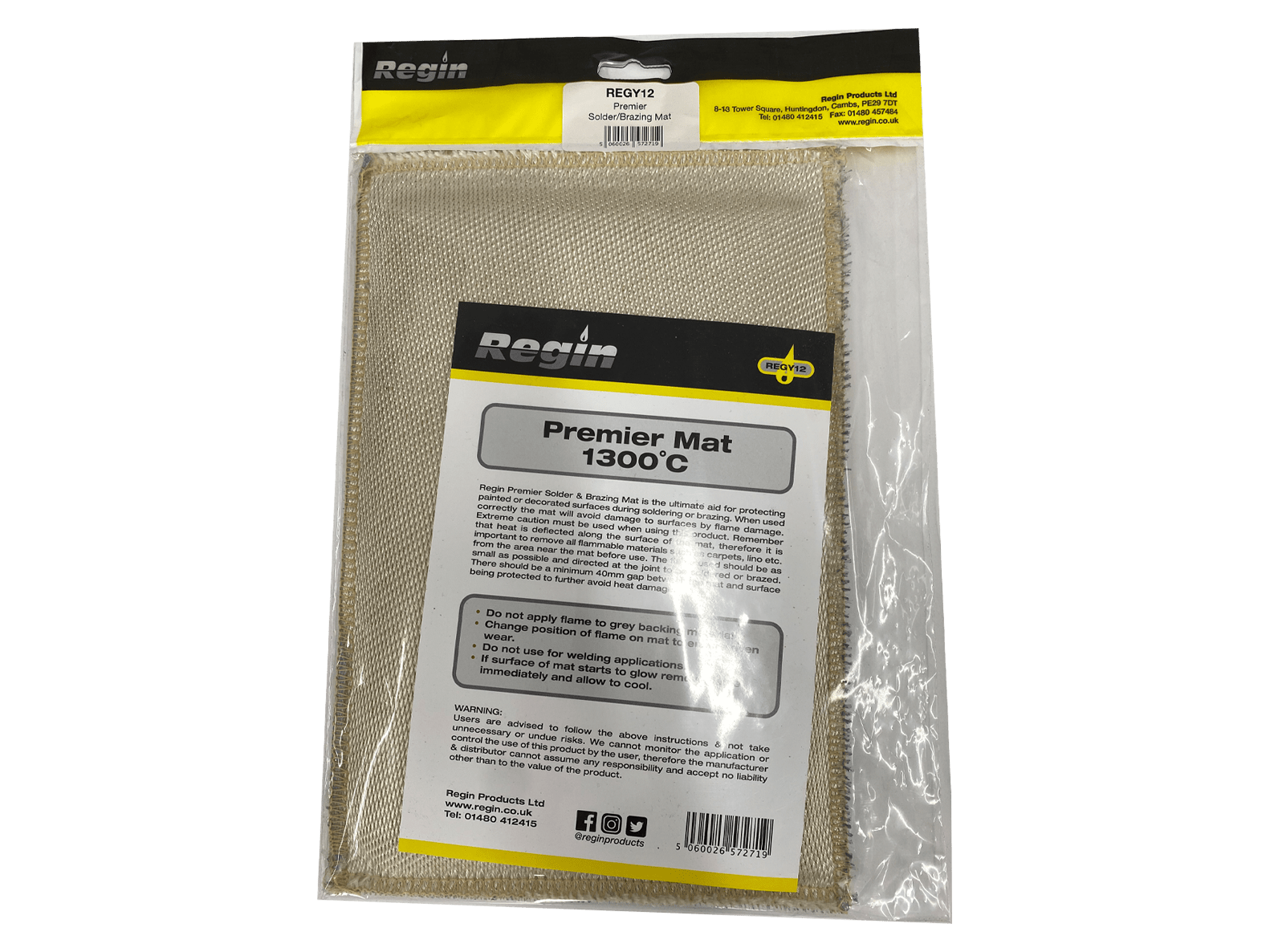 Brazing Mats
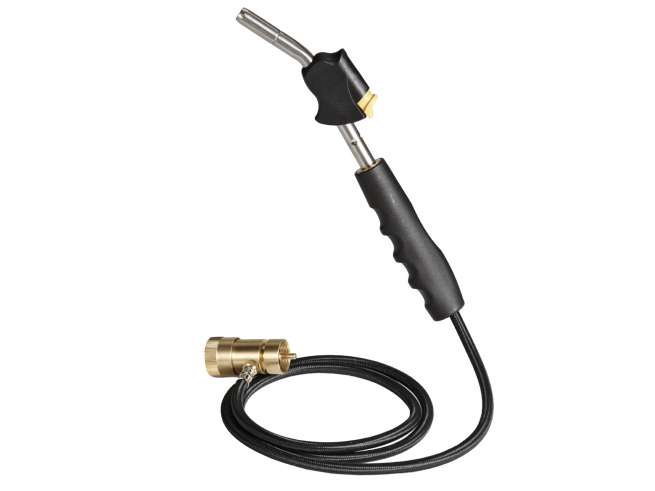 Brazing Torch Heads
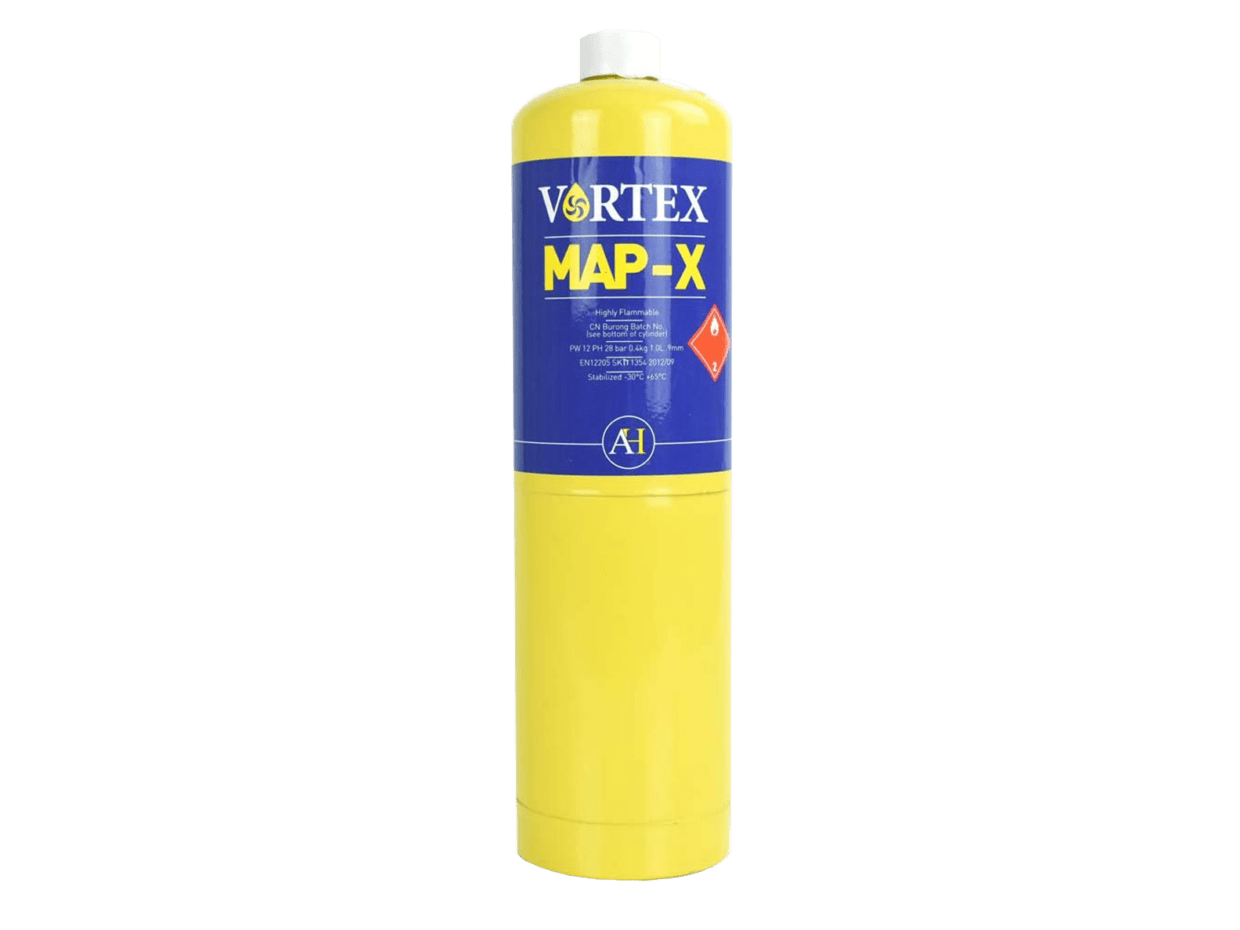 MAPP Gas
 Diagnostic Tools
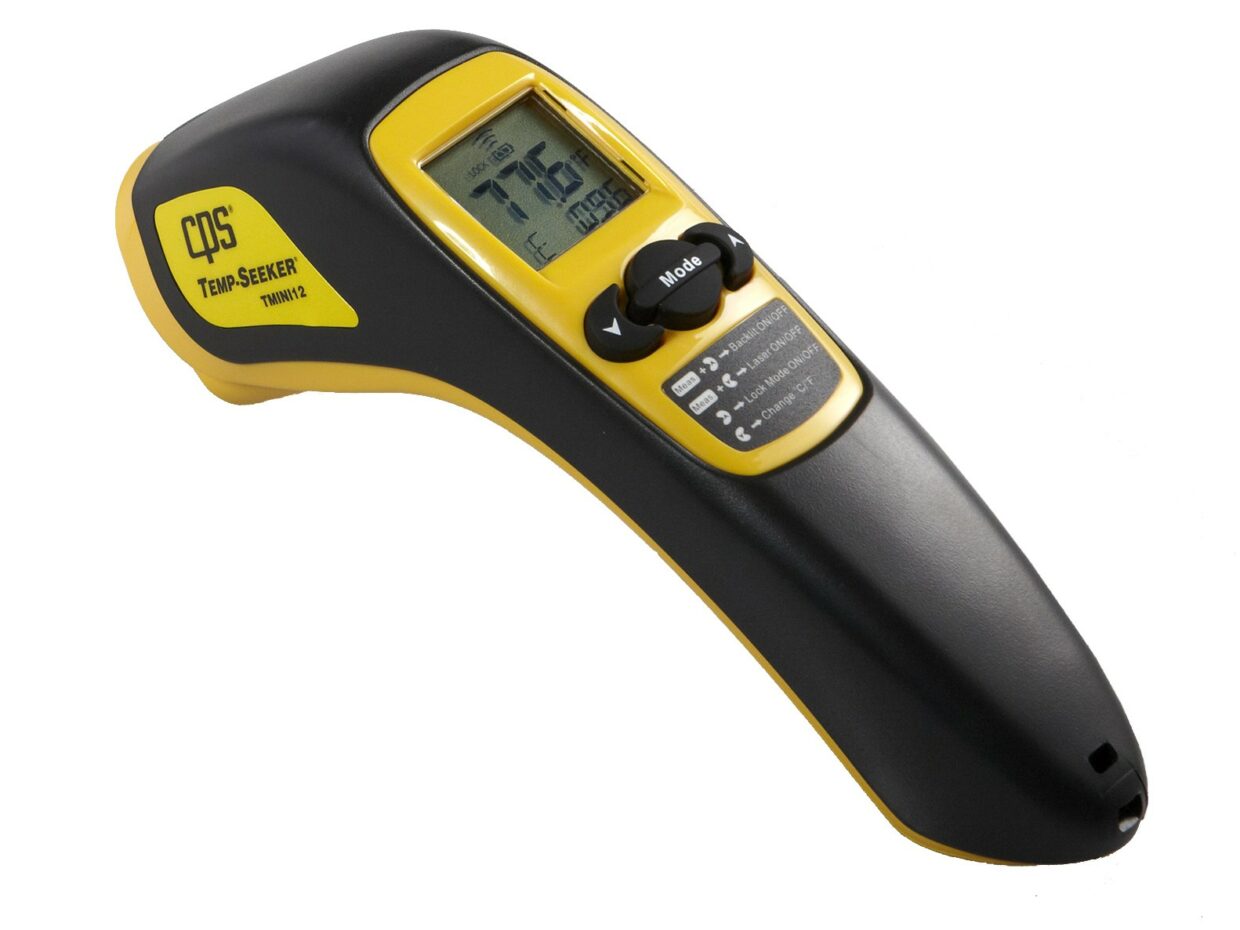 Digital Thermometers
 Smart Probes
 System Performance Analysers
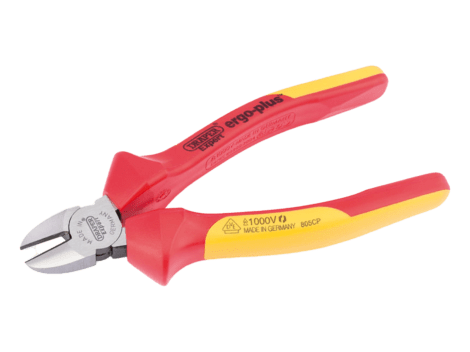 General Hand Tools
 Cutters
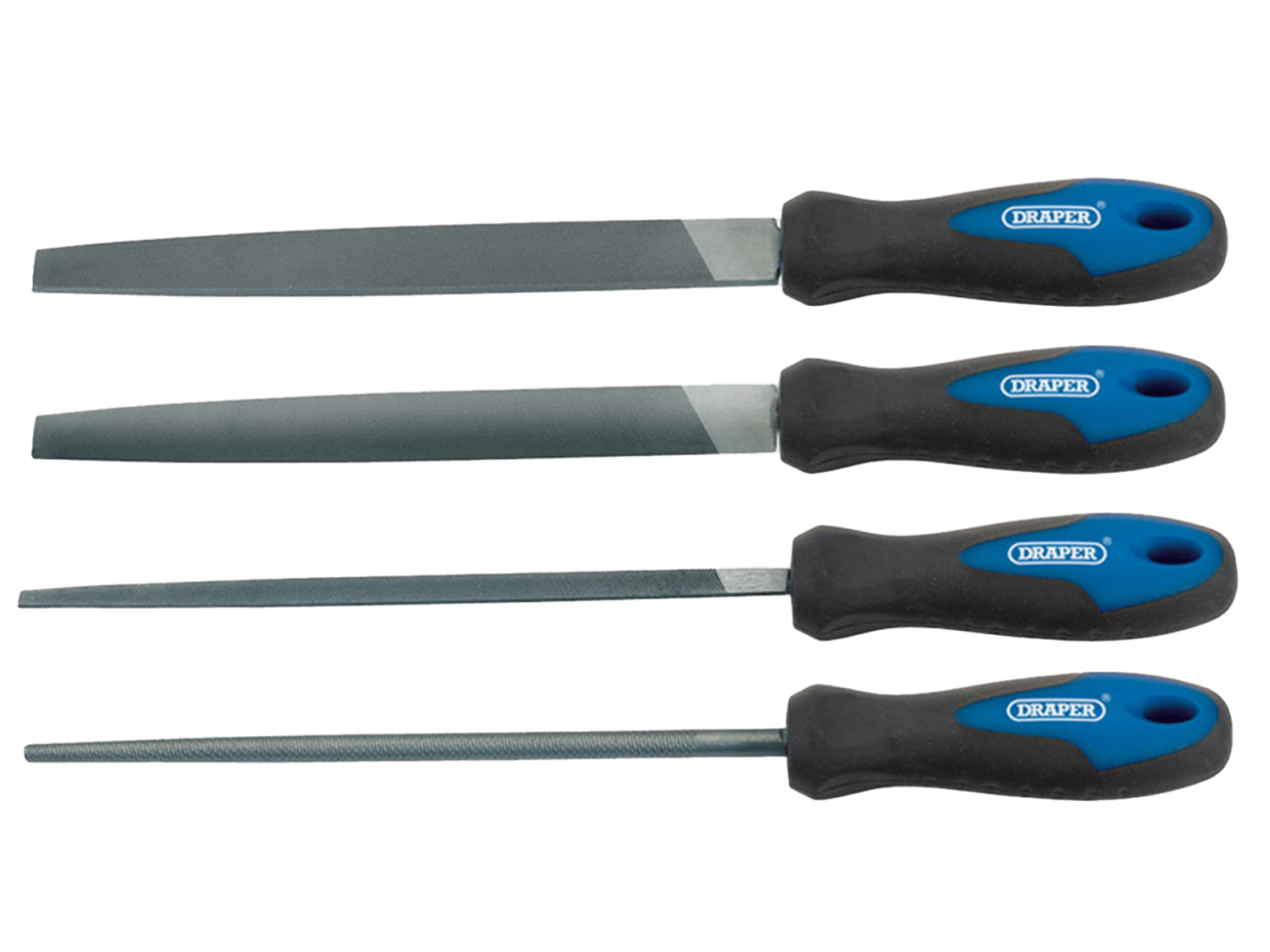 Files
Files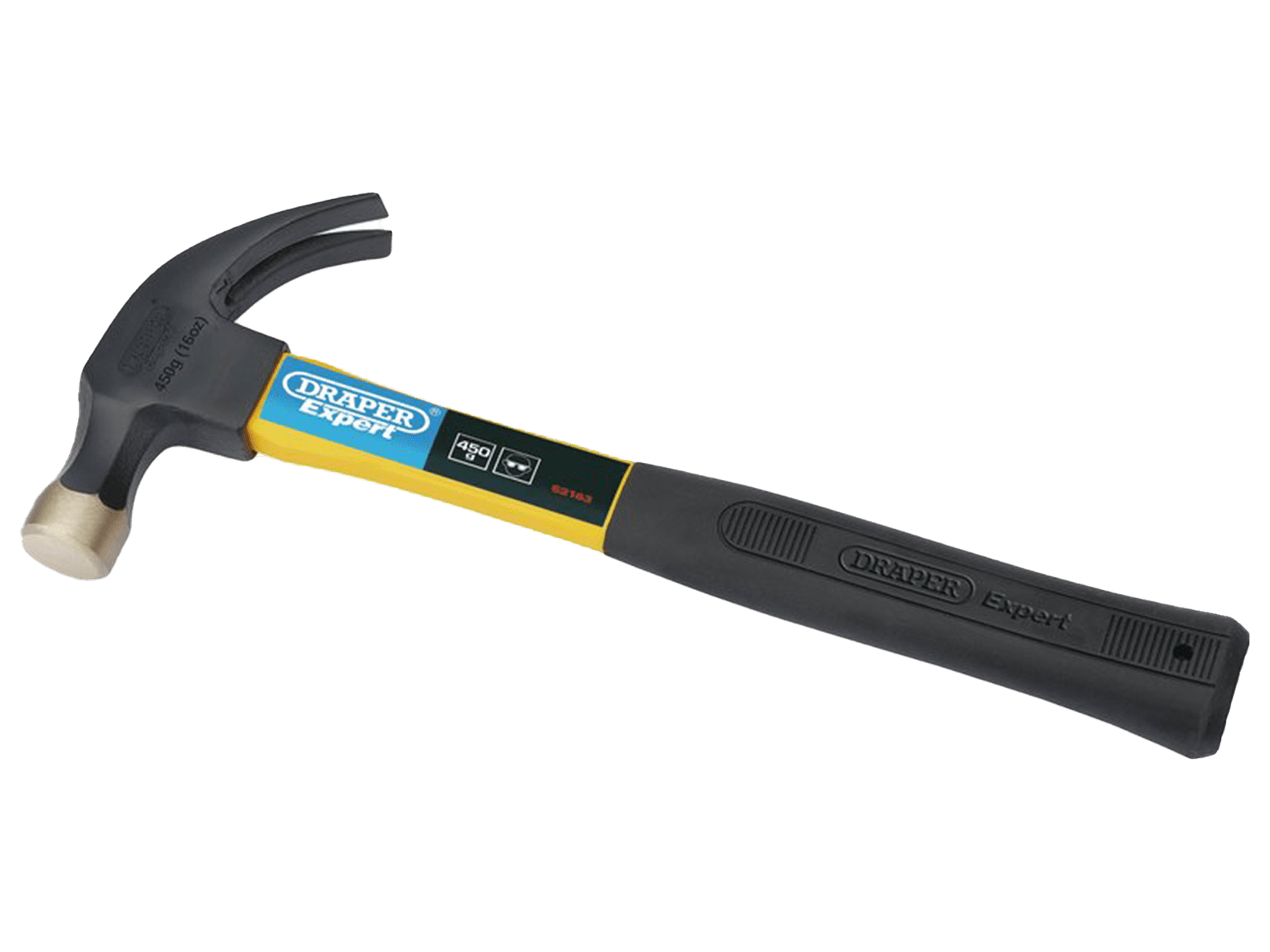 Hammers
 Hex Keys
 Levels & Tape Measures
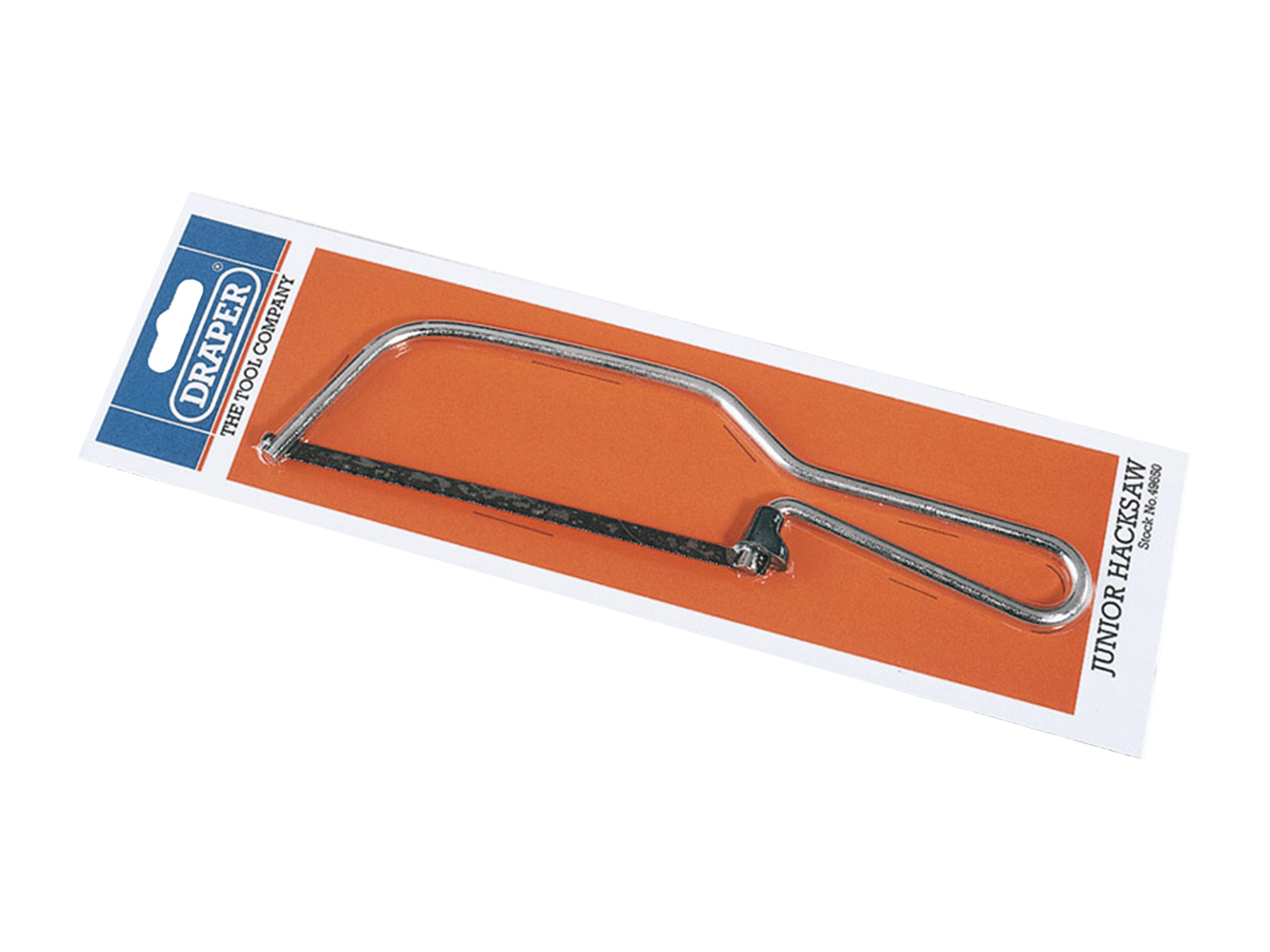 Saws
Saws Screwdrivers
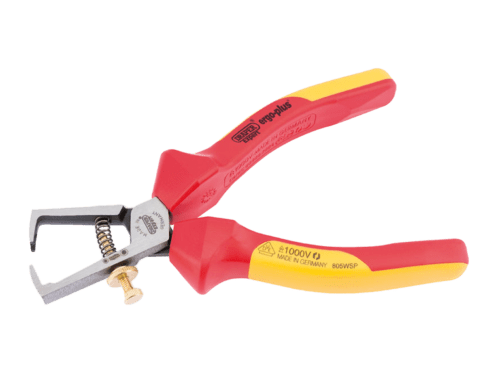 Wire Strippers
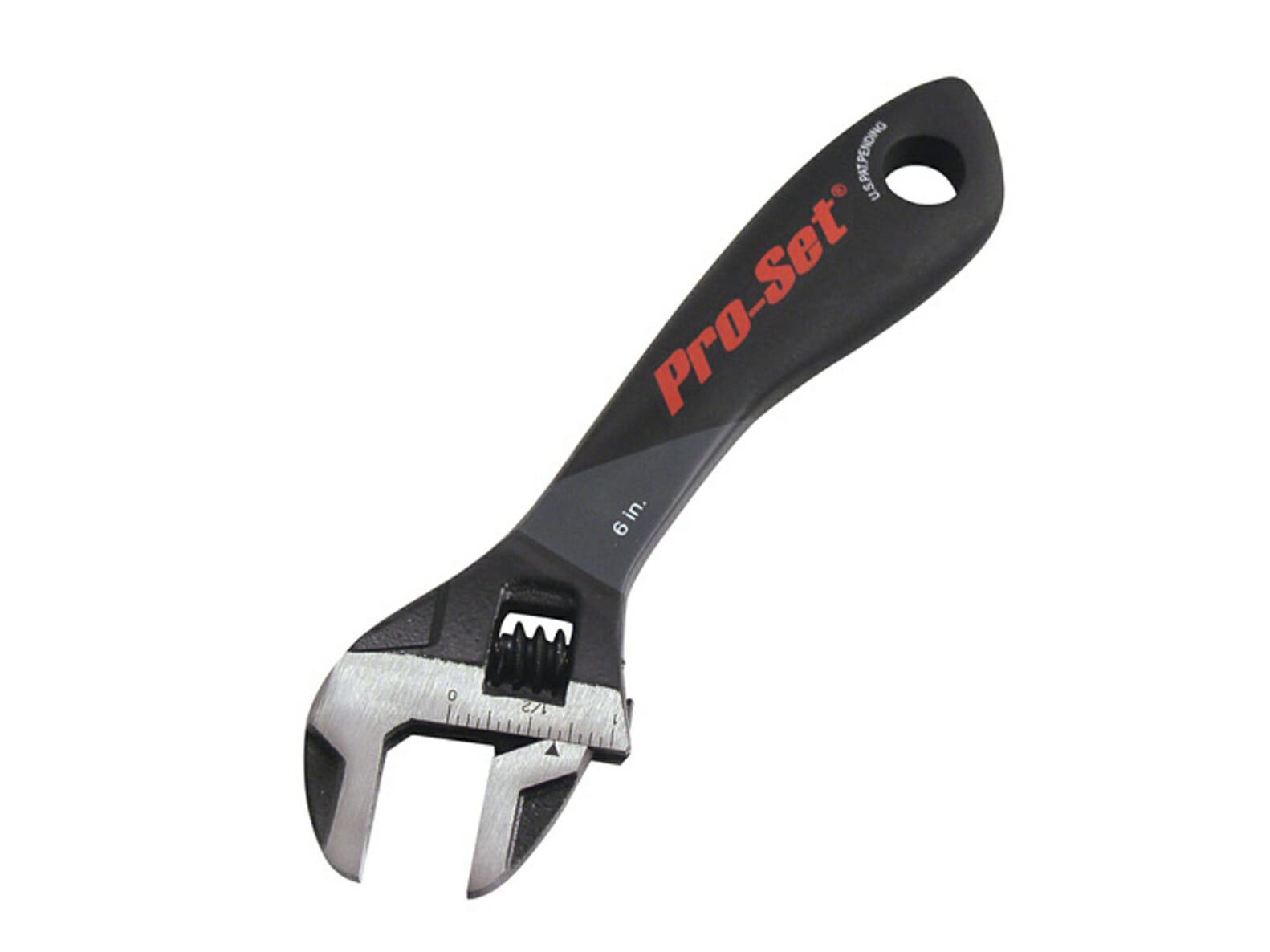 Wrenches
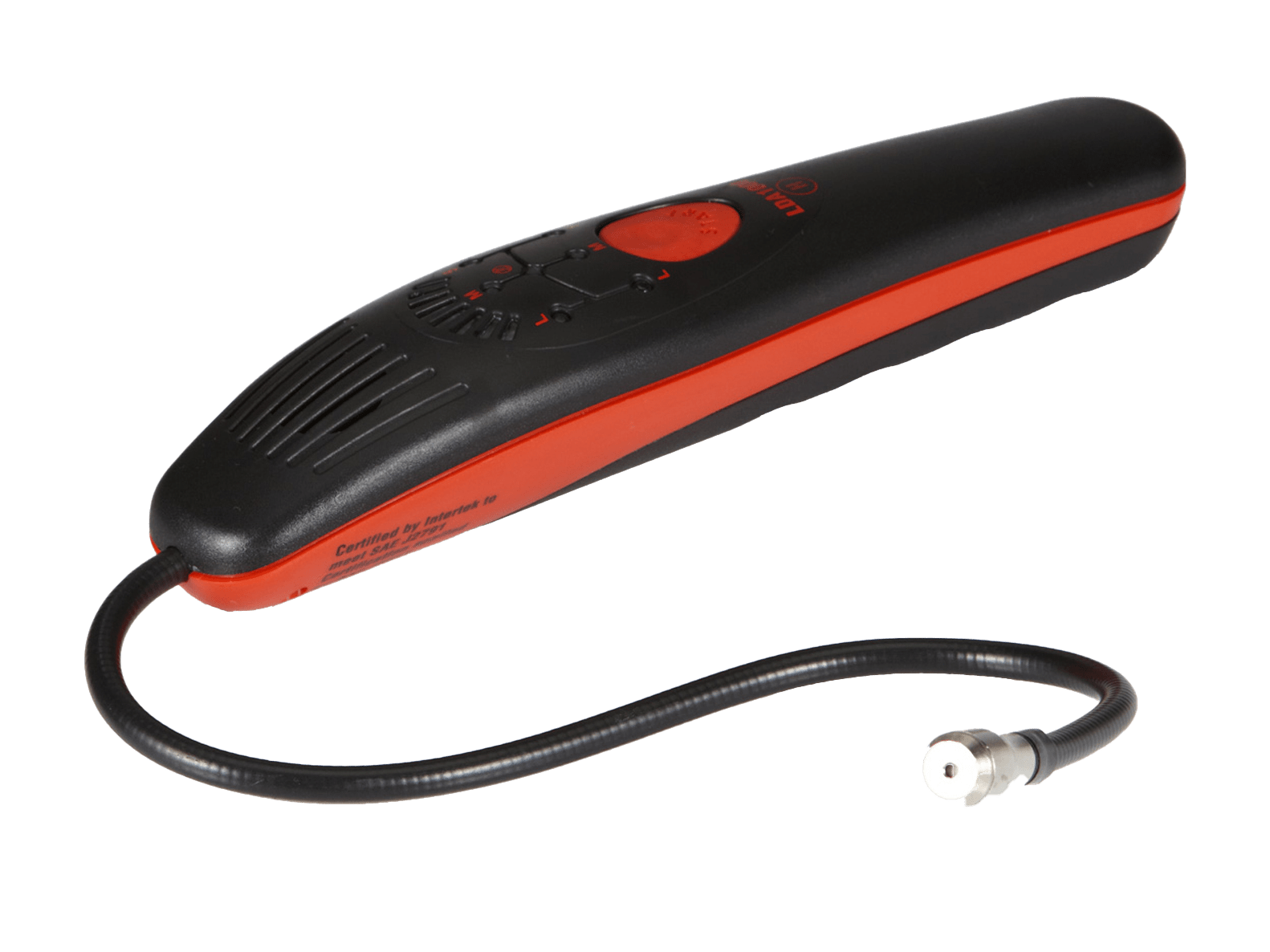 Leak Detection
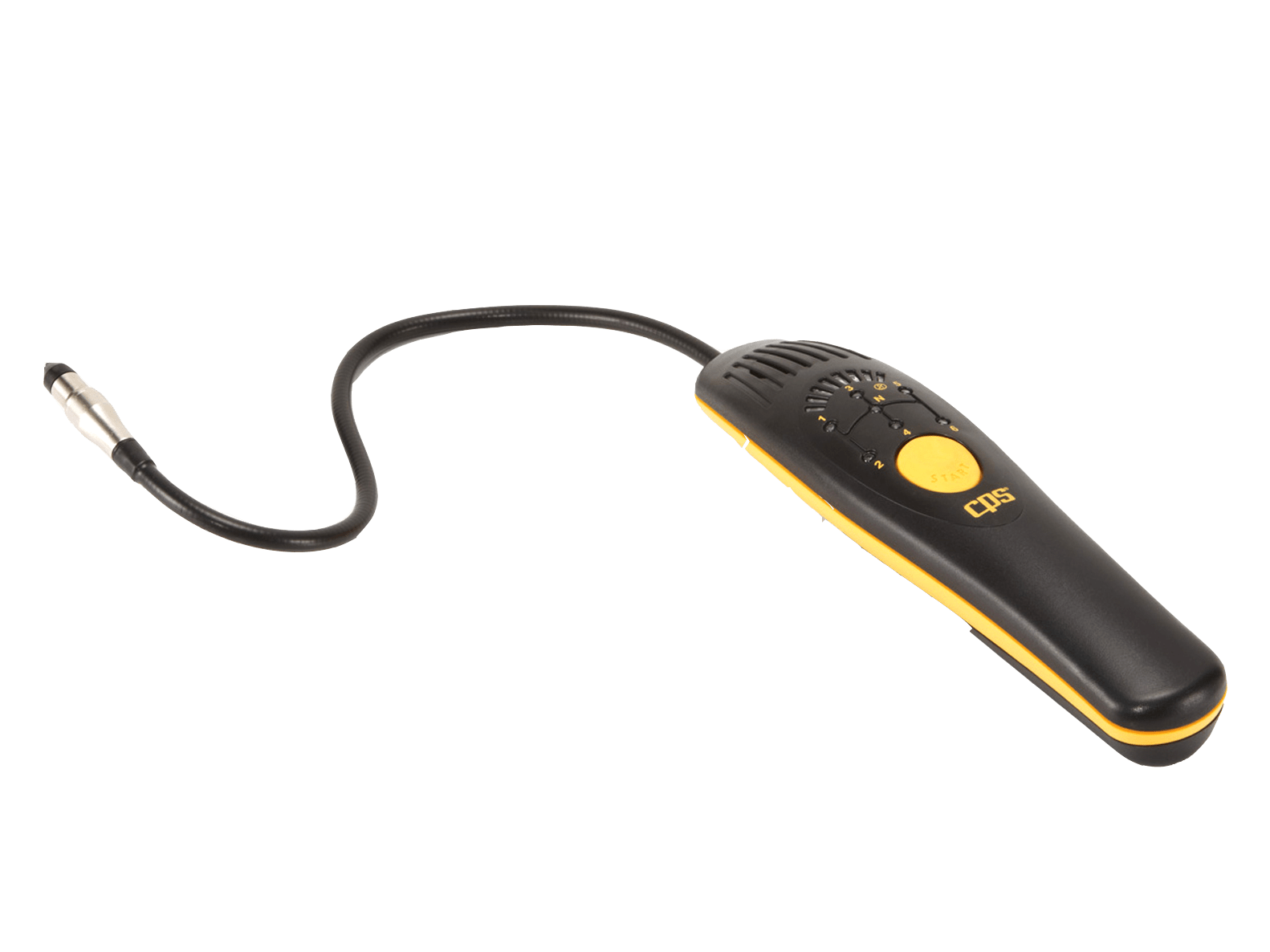 Electronic Leak Detectors
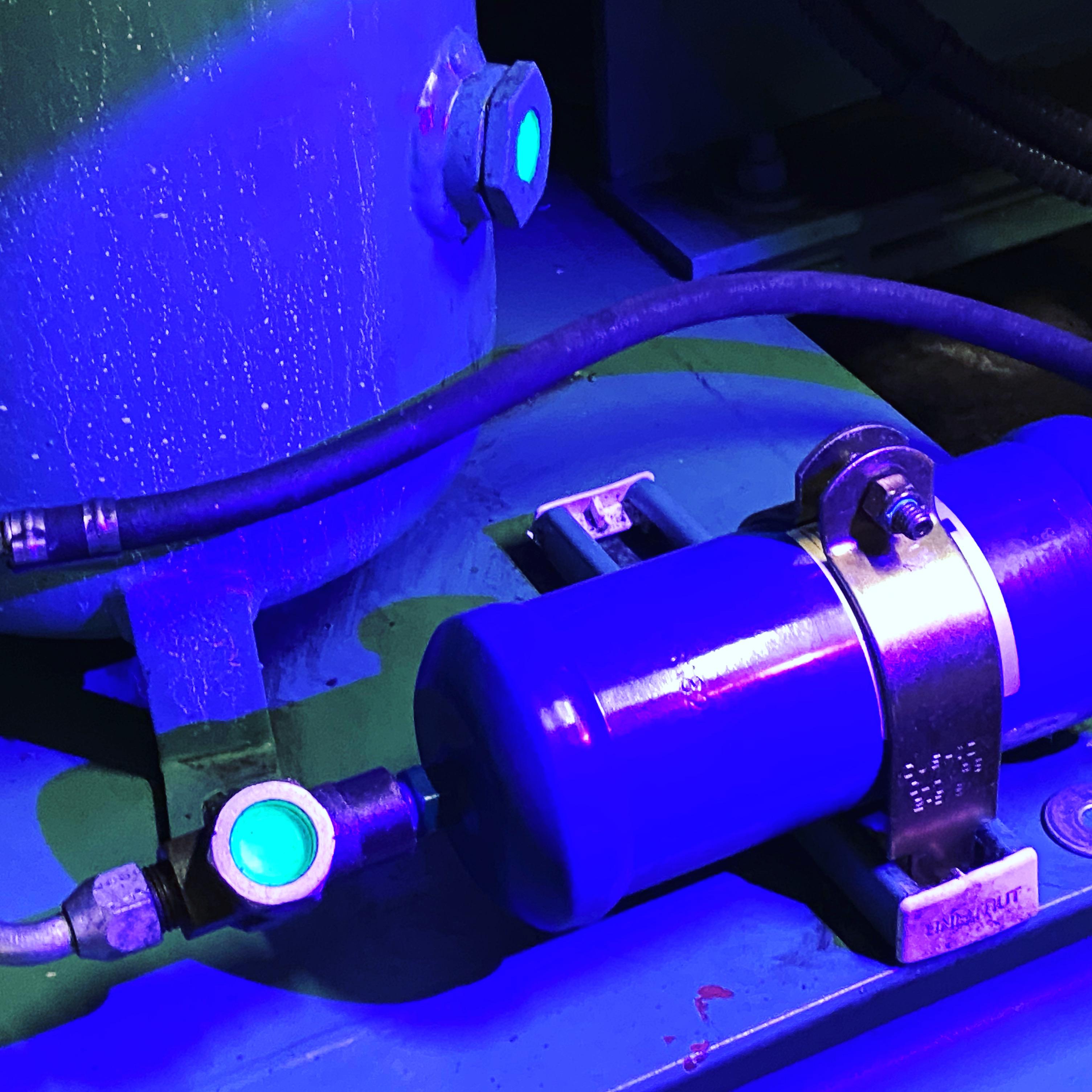 UV Leak Detection
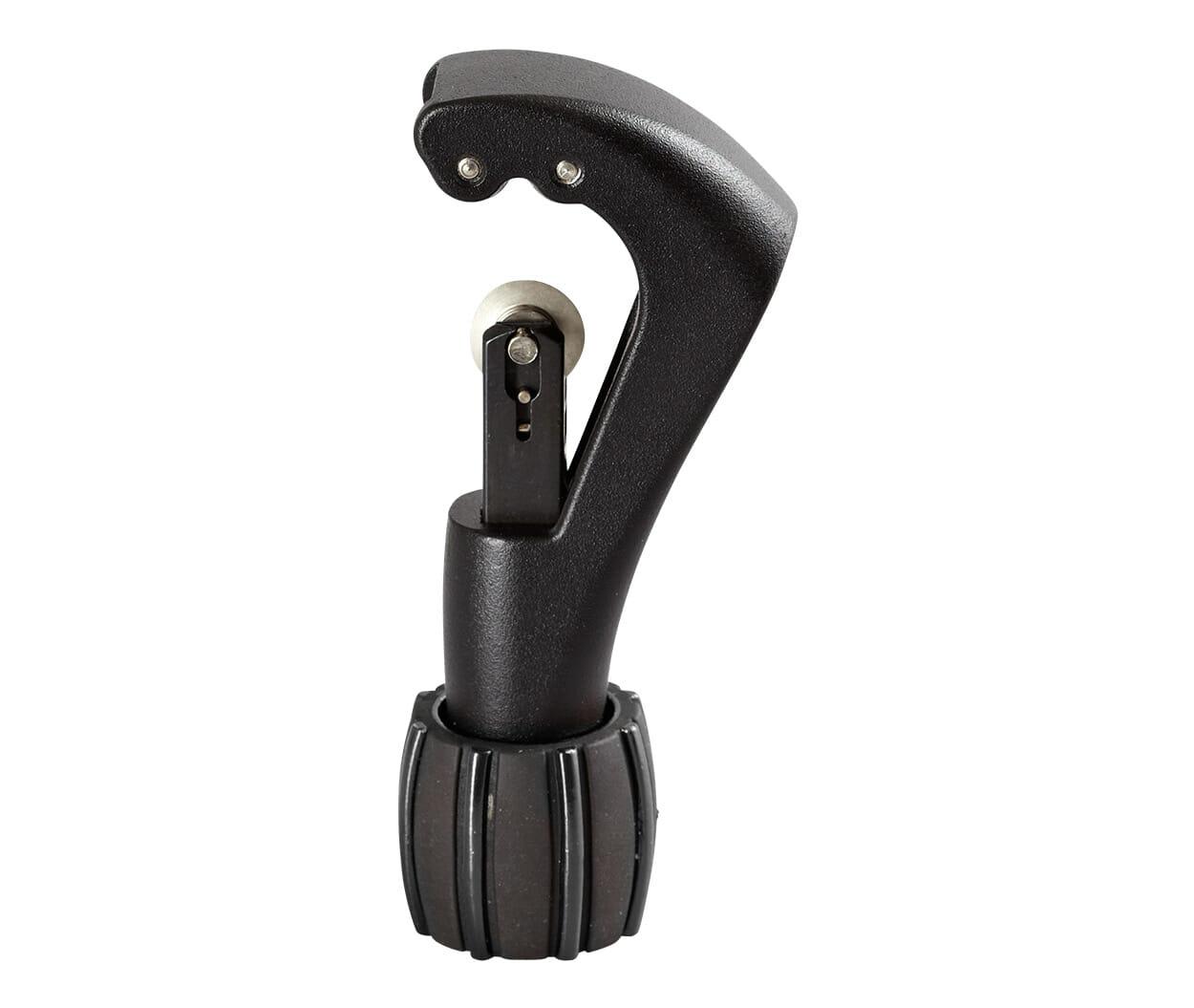 Pipe Tools
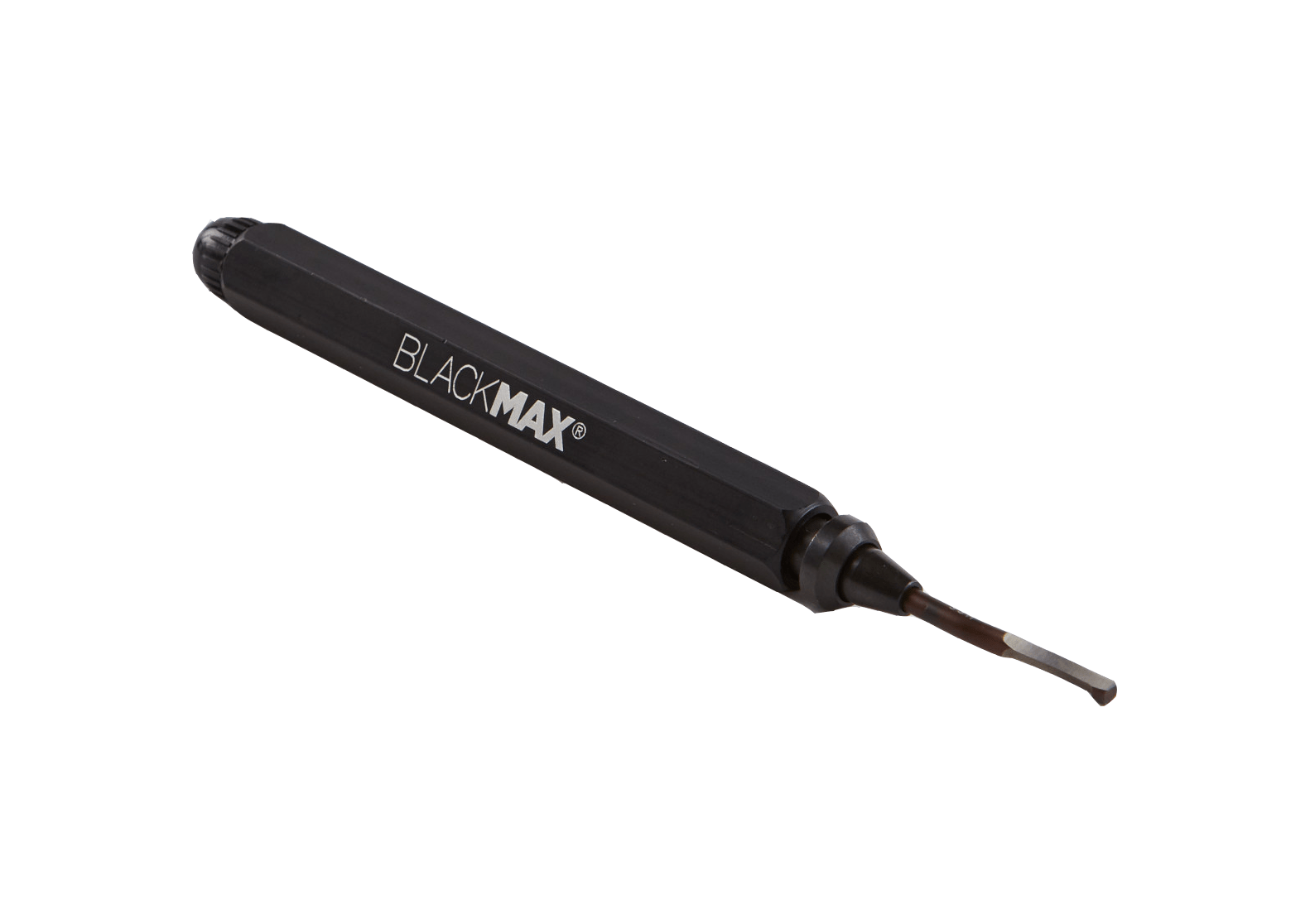 Deburring Tools
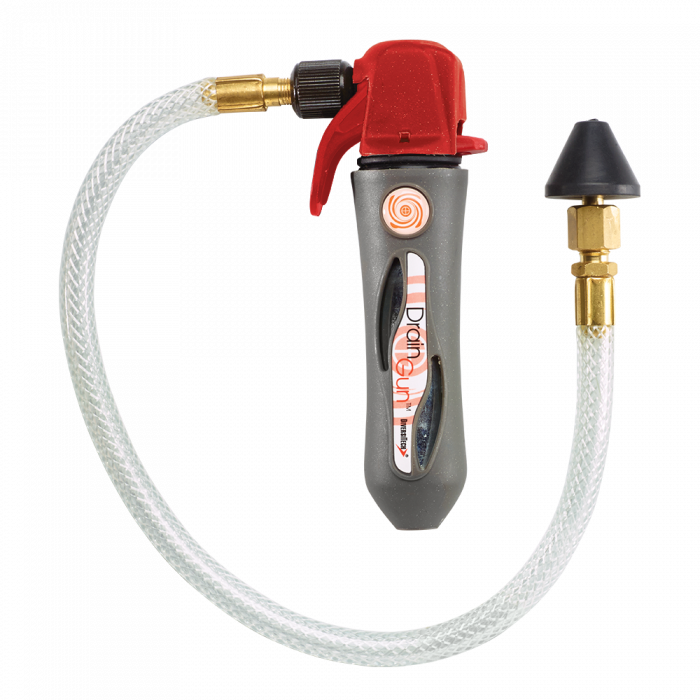 Drain Guns
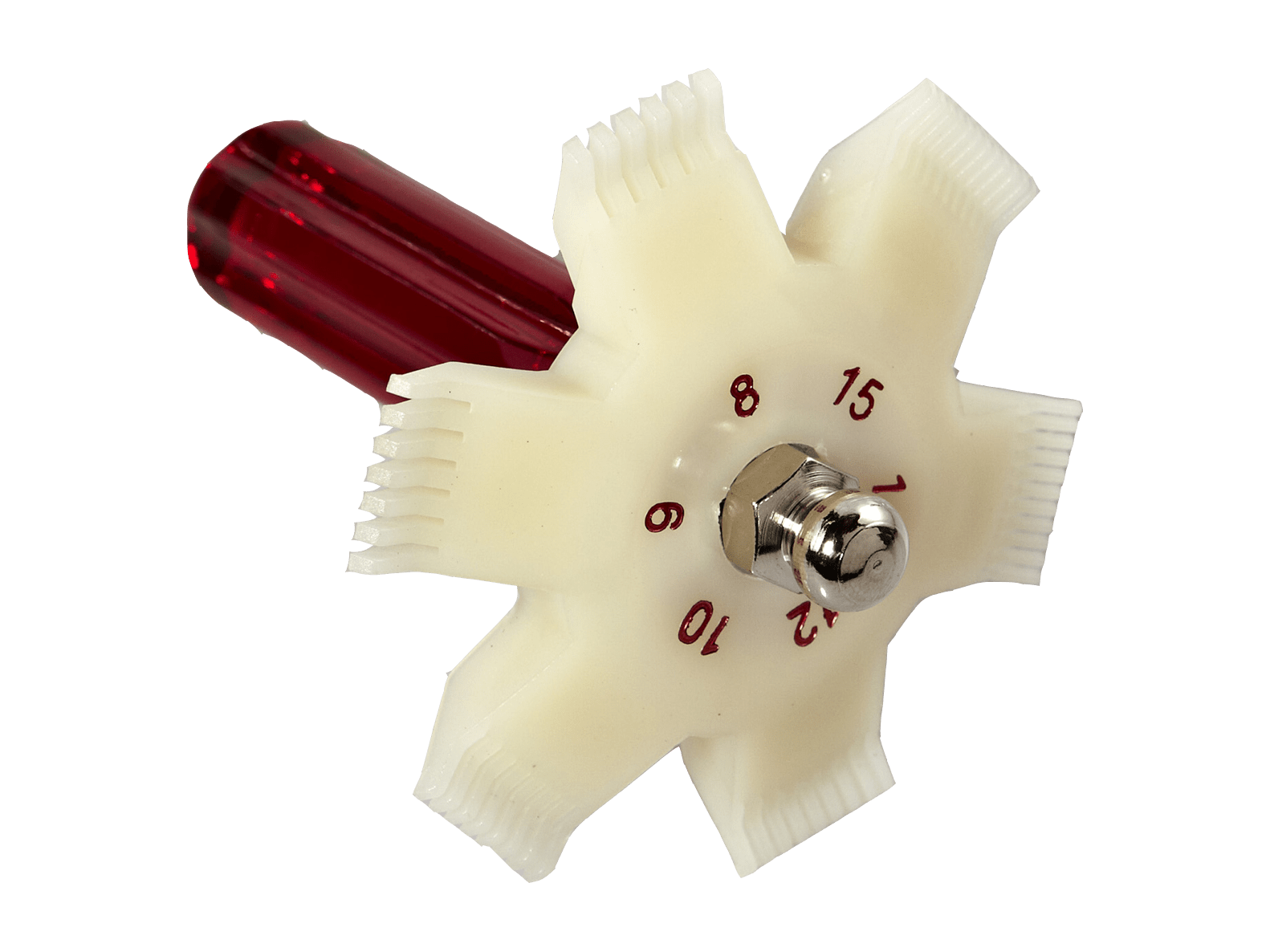 Fin Combs
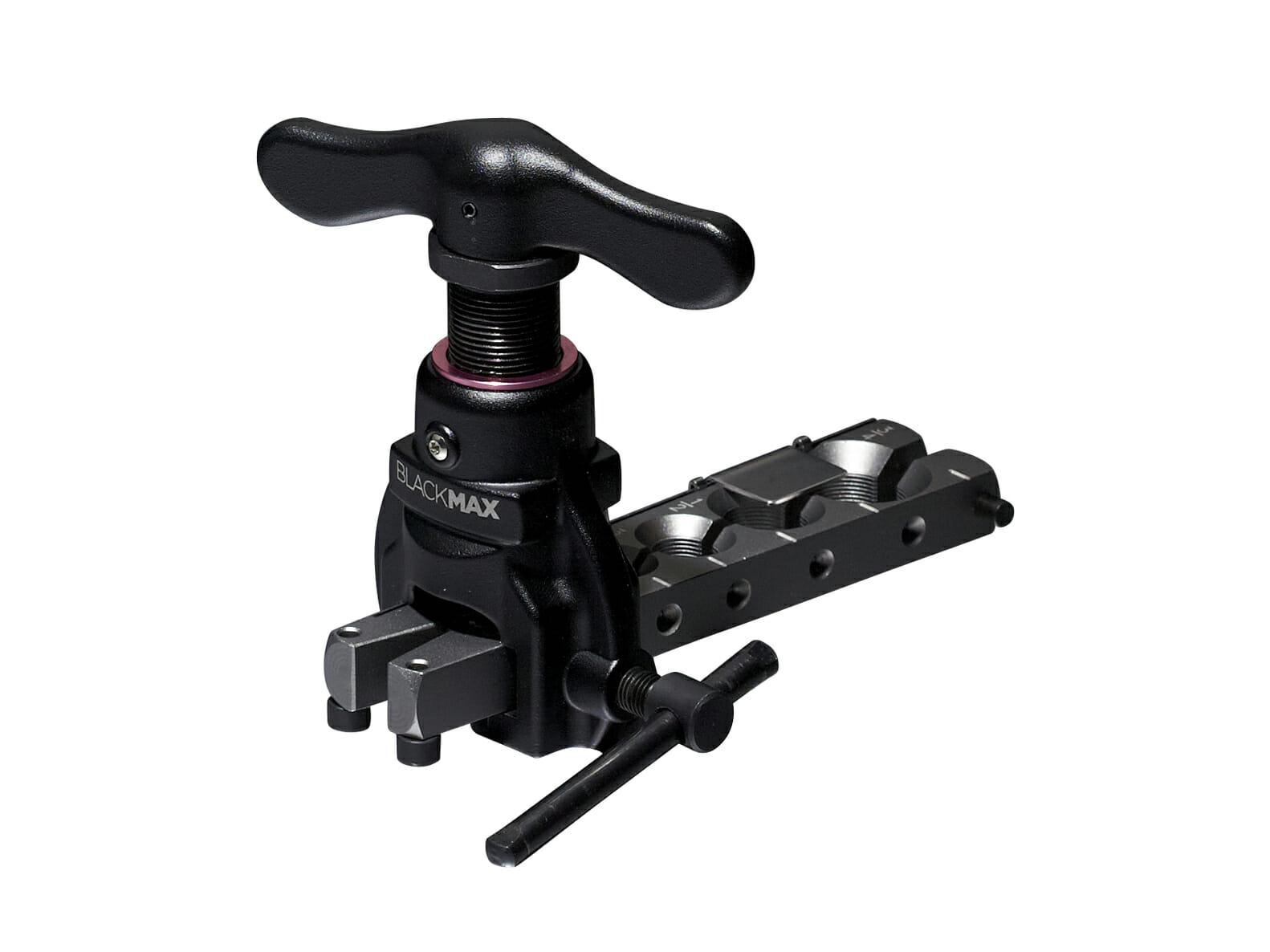 Flaring Tools
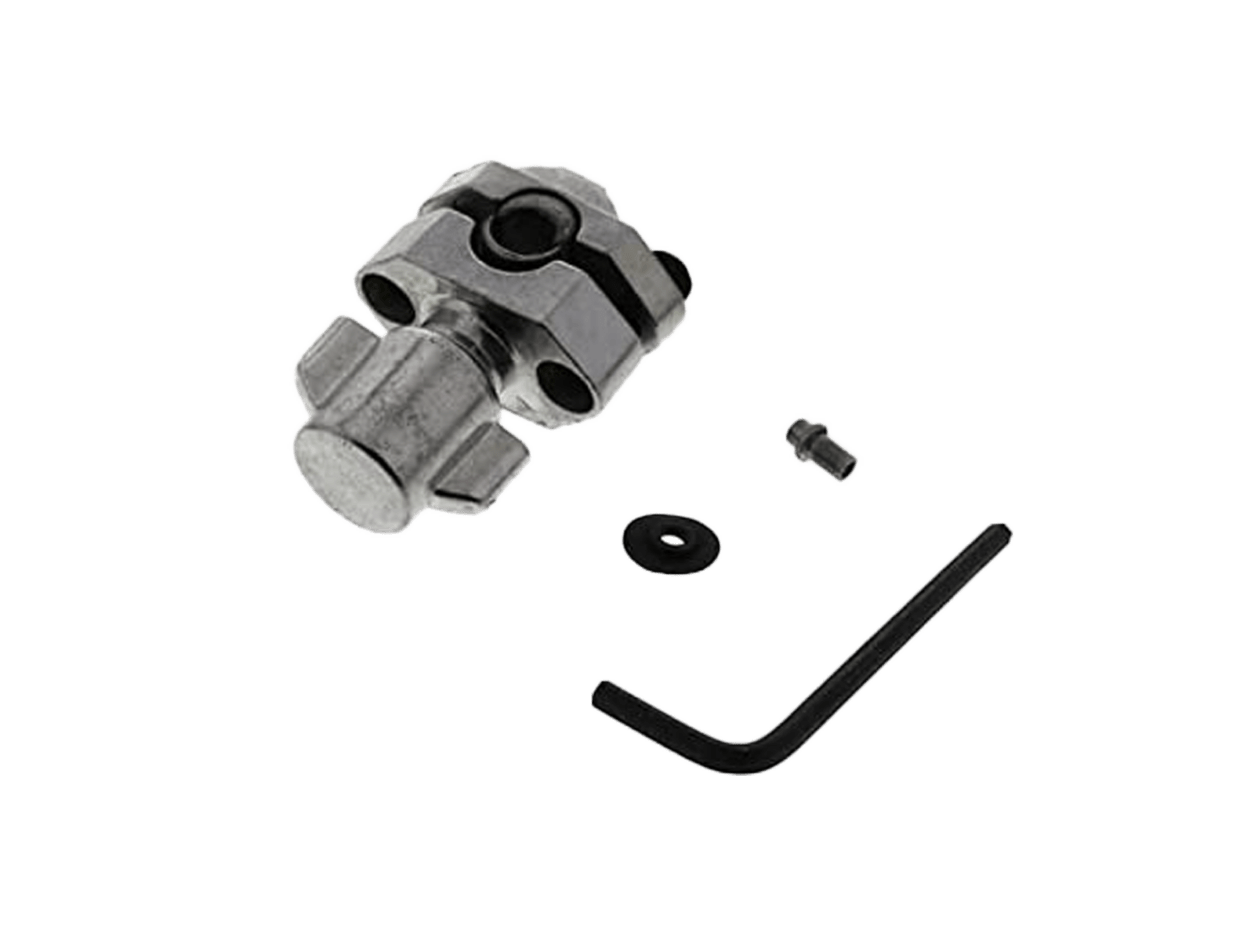 Line Tap Valves
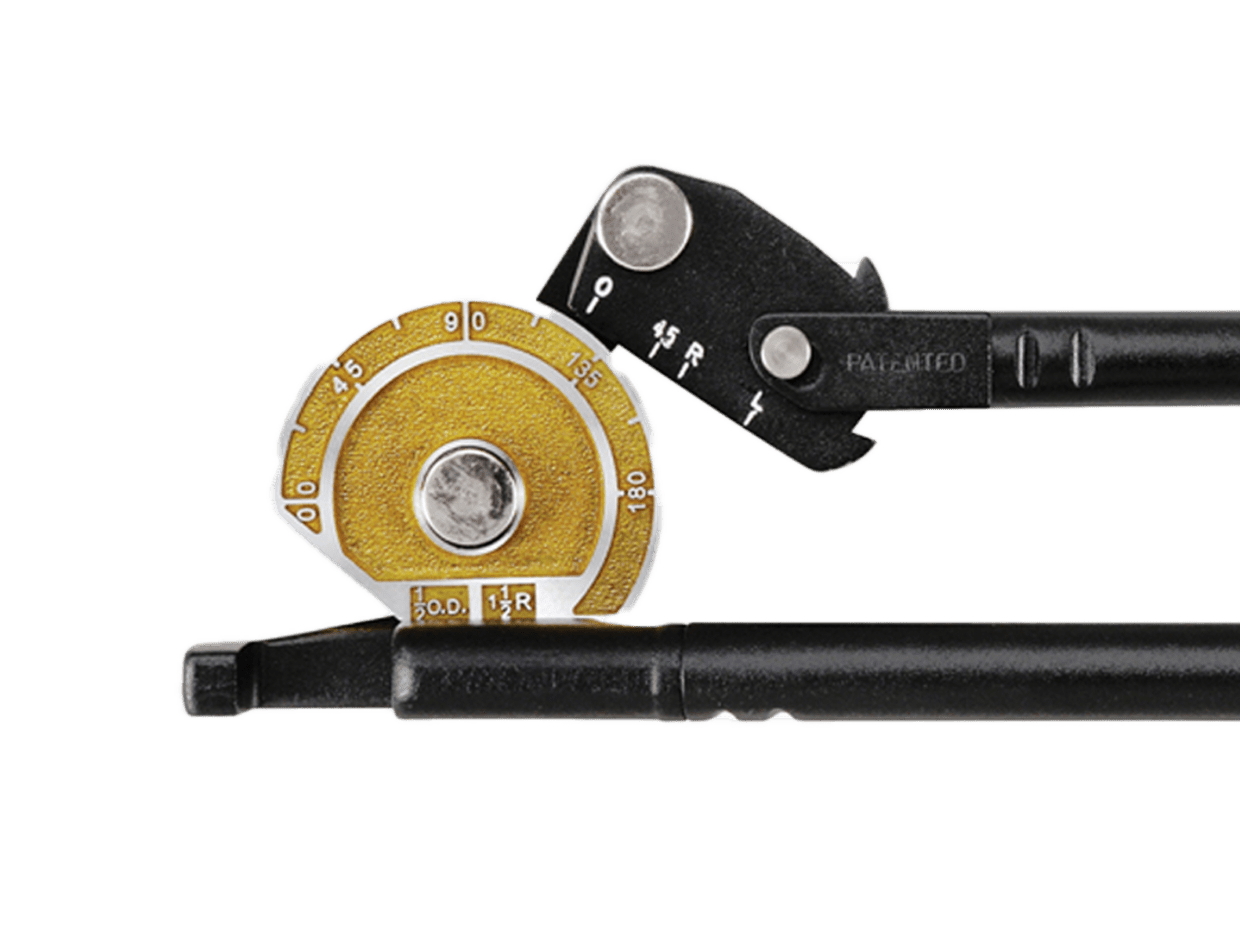 Tube Benders
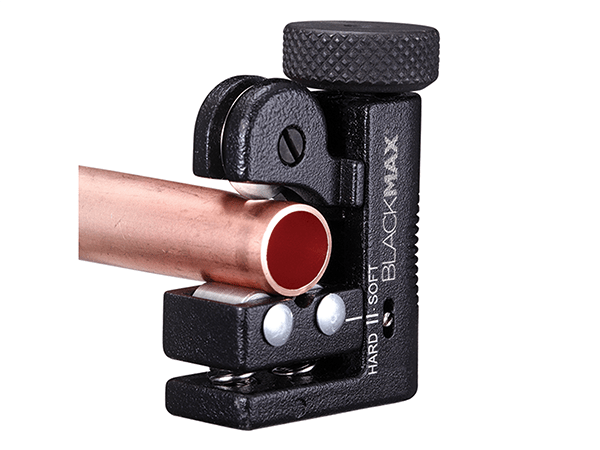 Tube Cutters
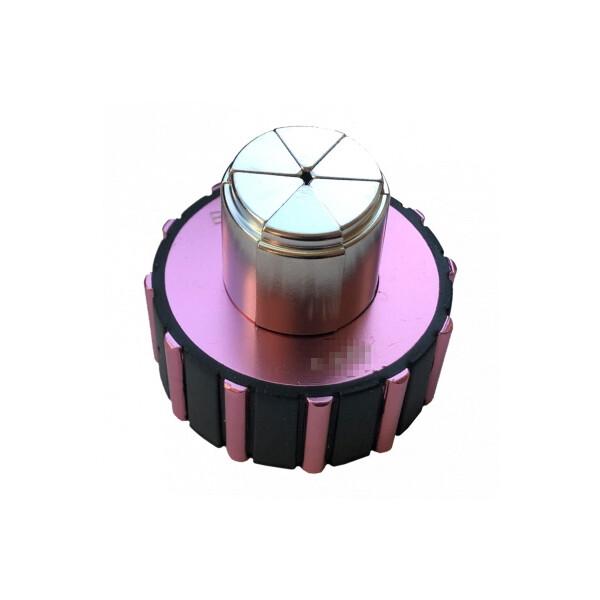 Tube Expanders
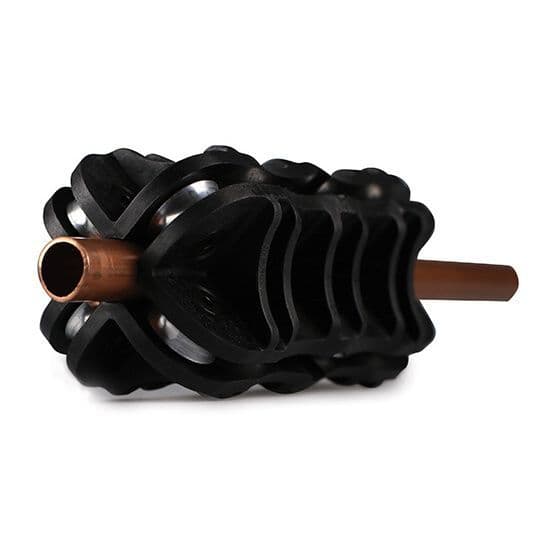 Tube Straighteners
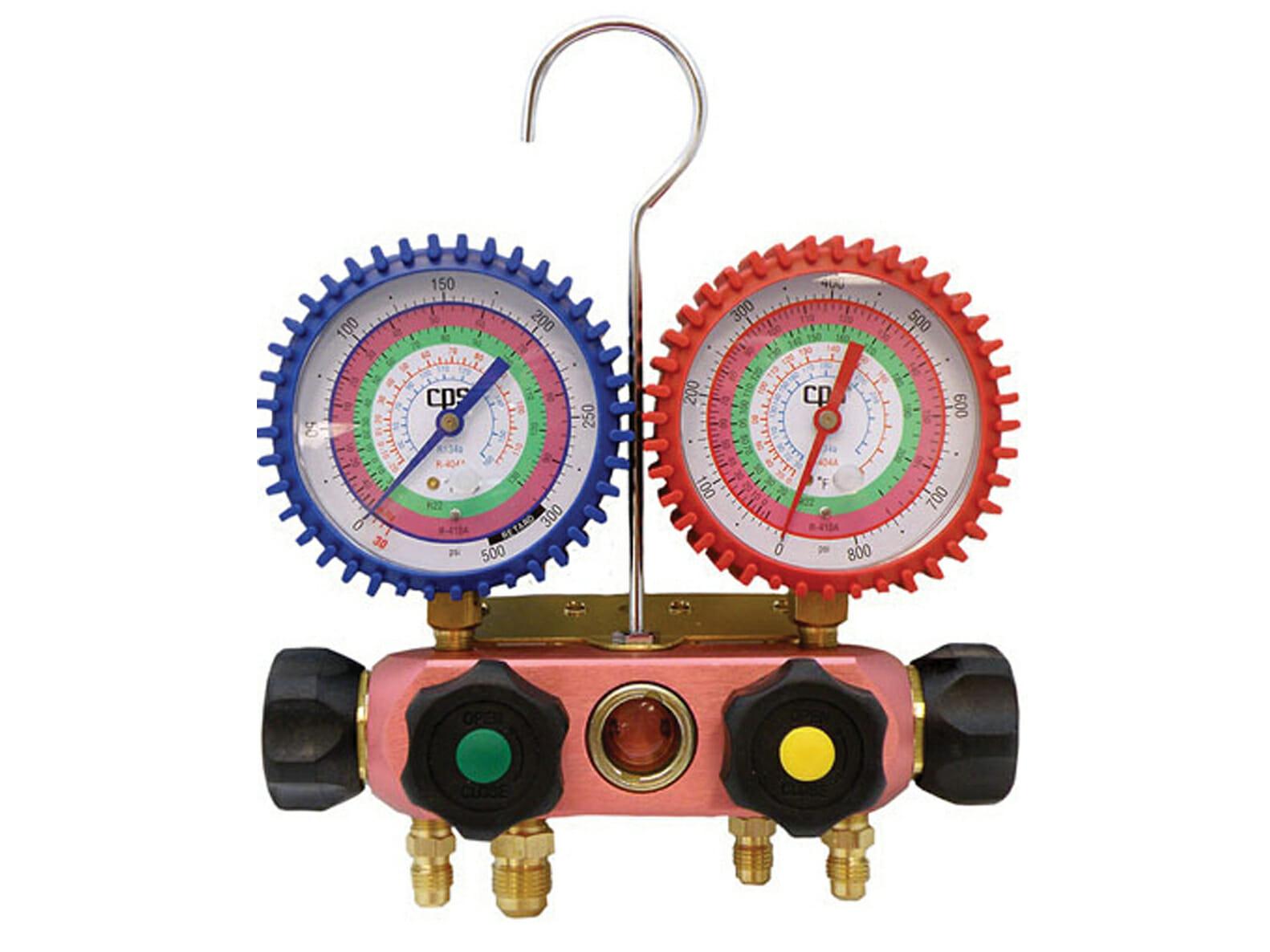 Manifold Gauges
 Recovery Machines
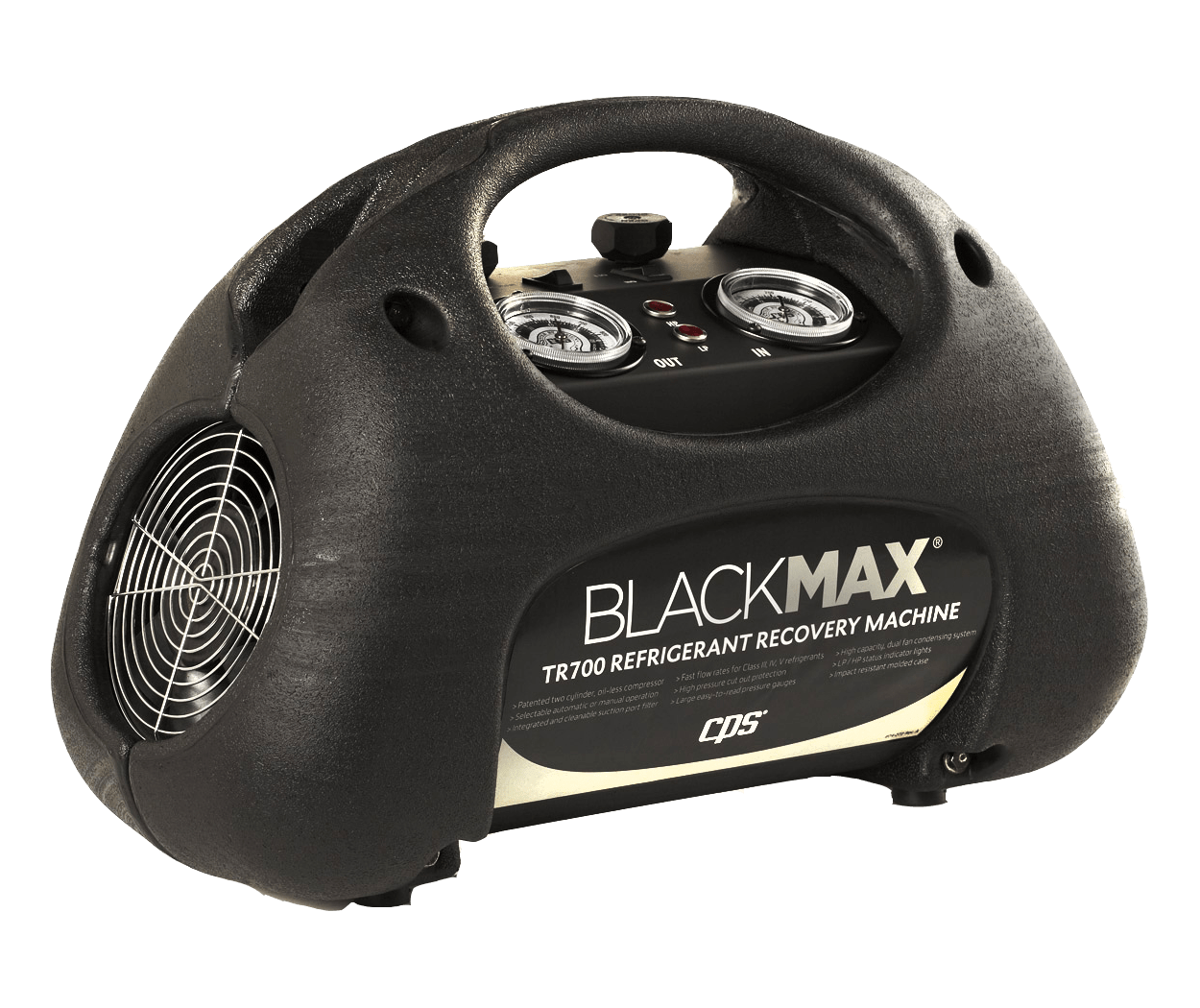 A1-A2L Recovery Machines
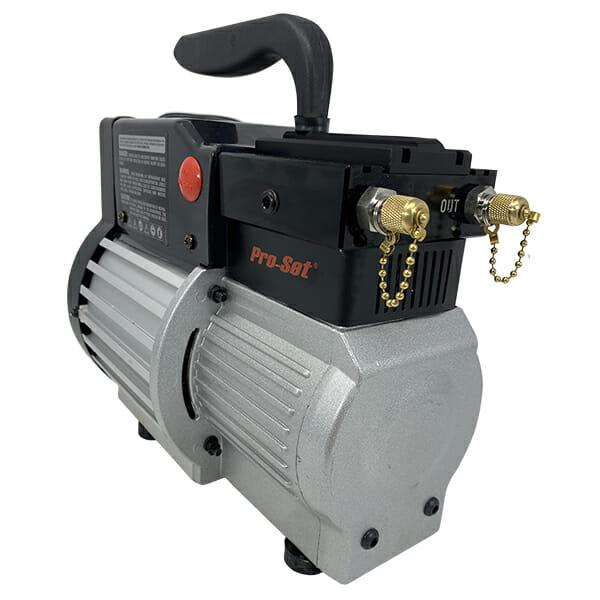 A3-Refrigerant Reclaim Machines
 ATEX Certified Reclaim Machines
 Refrigerant Hoses
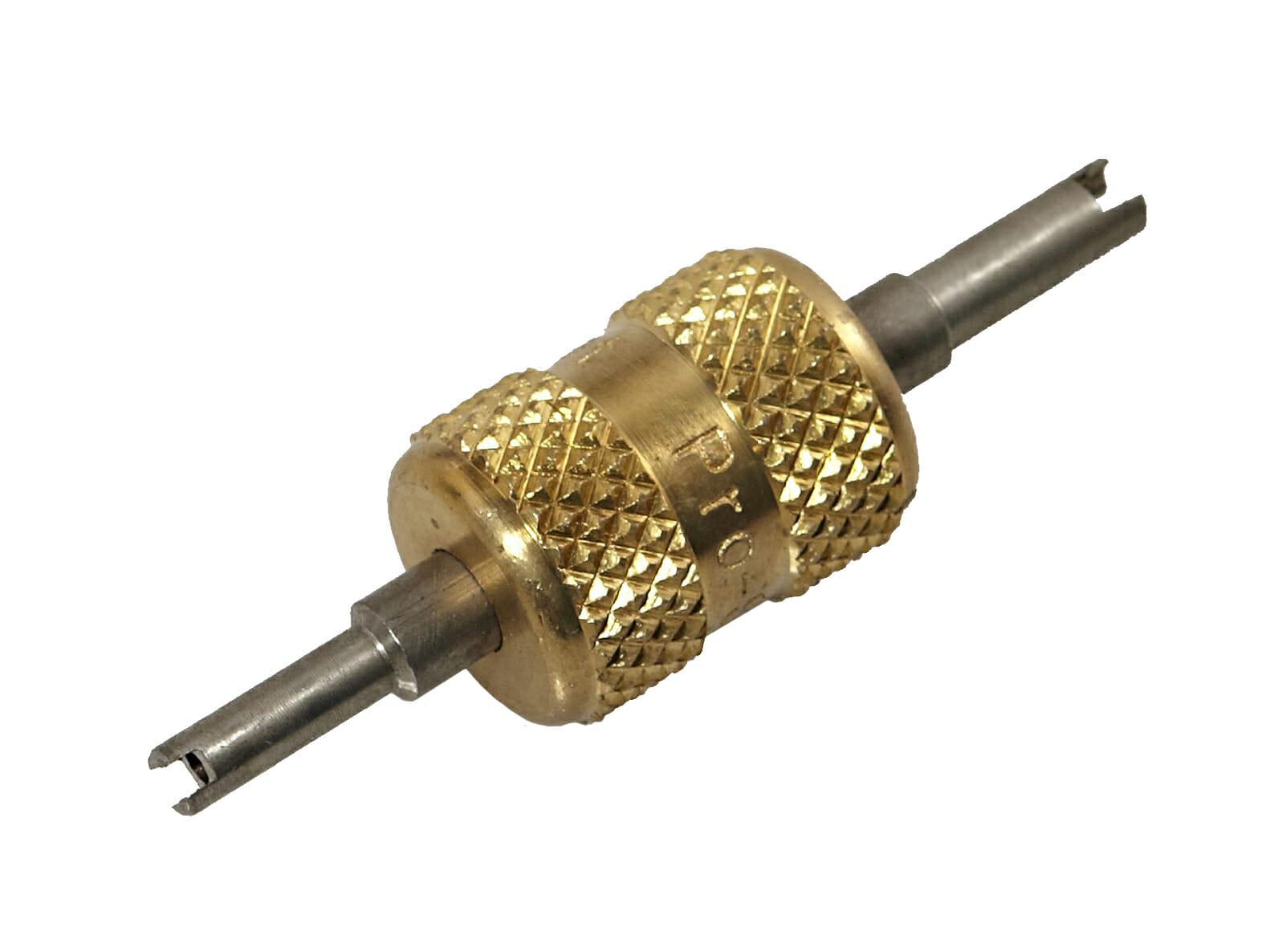 Core Removers
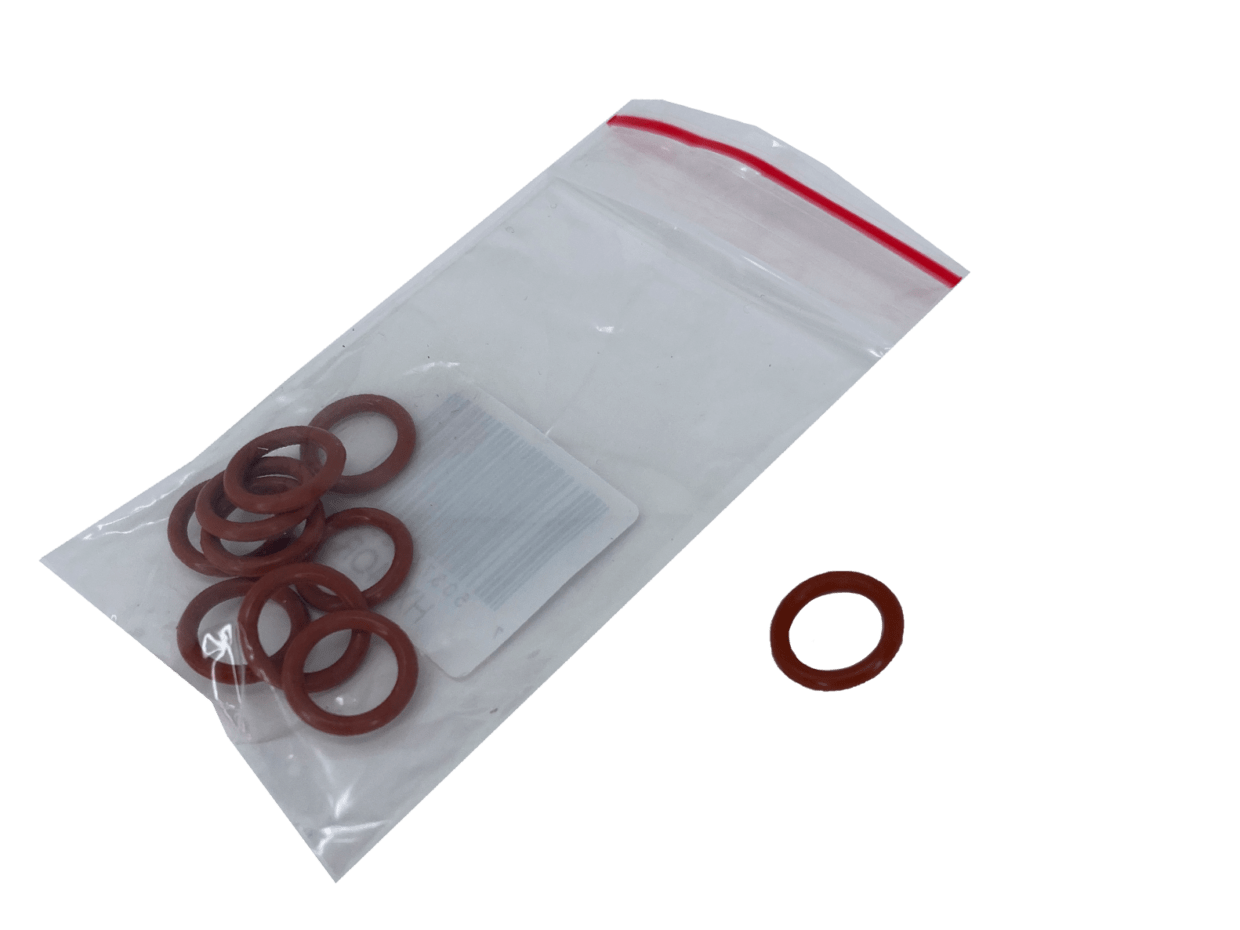 Hose Gaskets & Seals
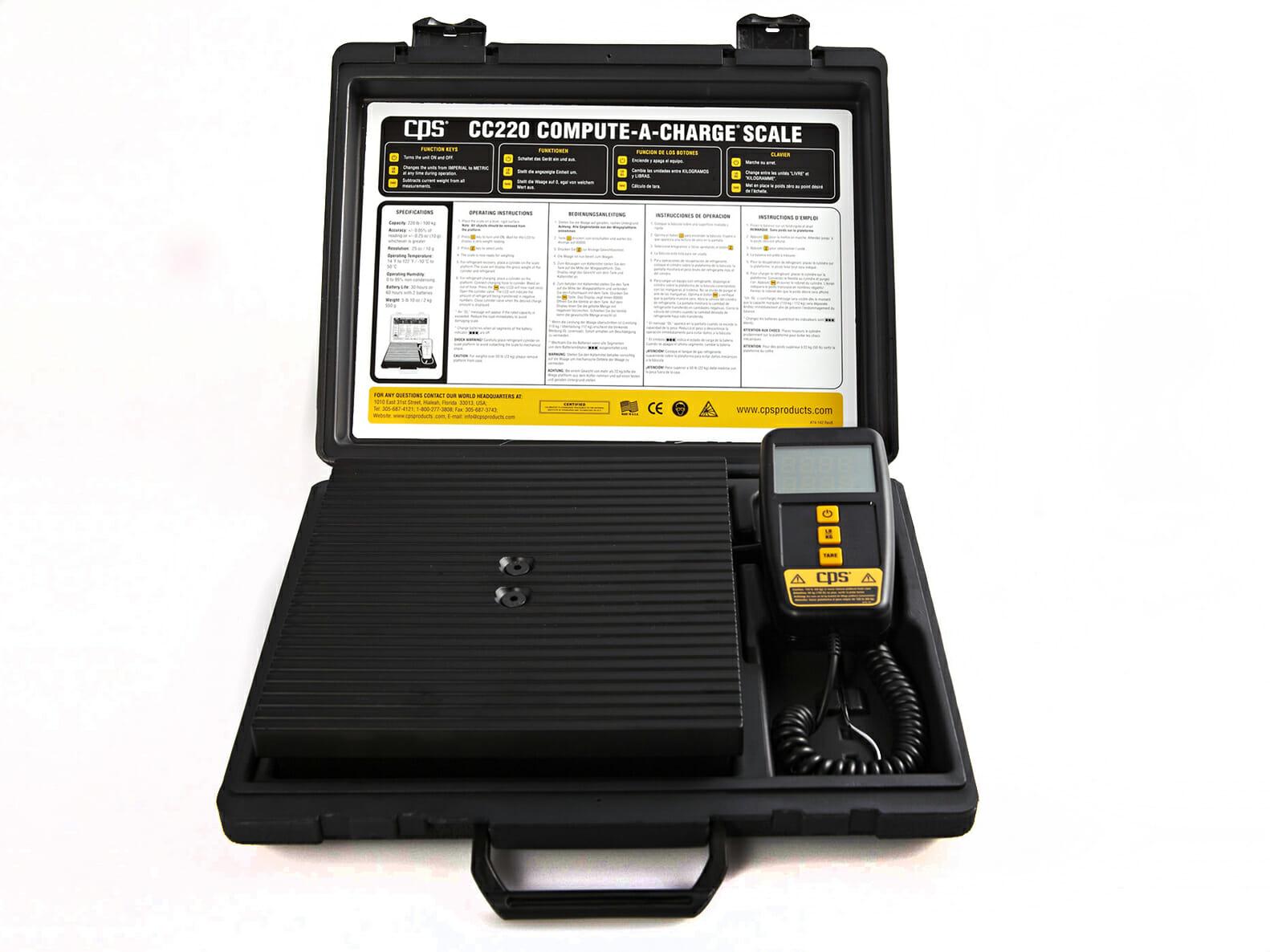 Refrigerant Scales
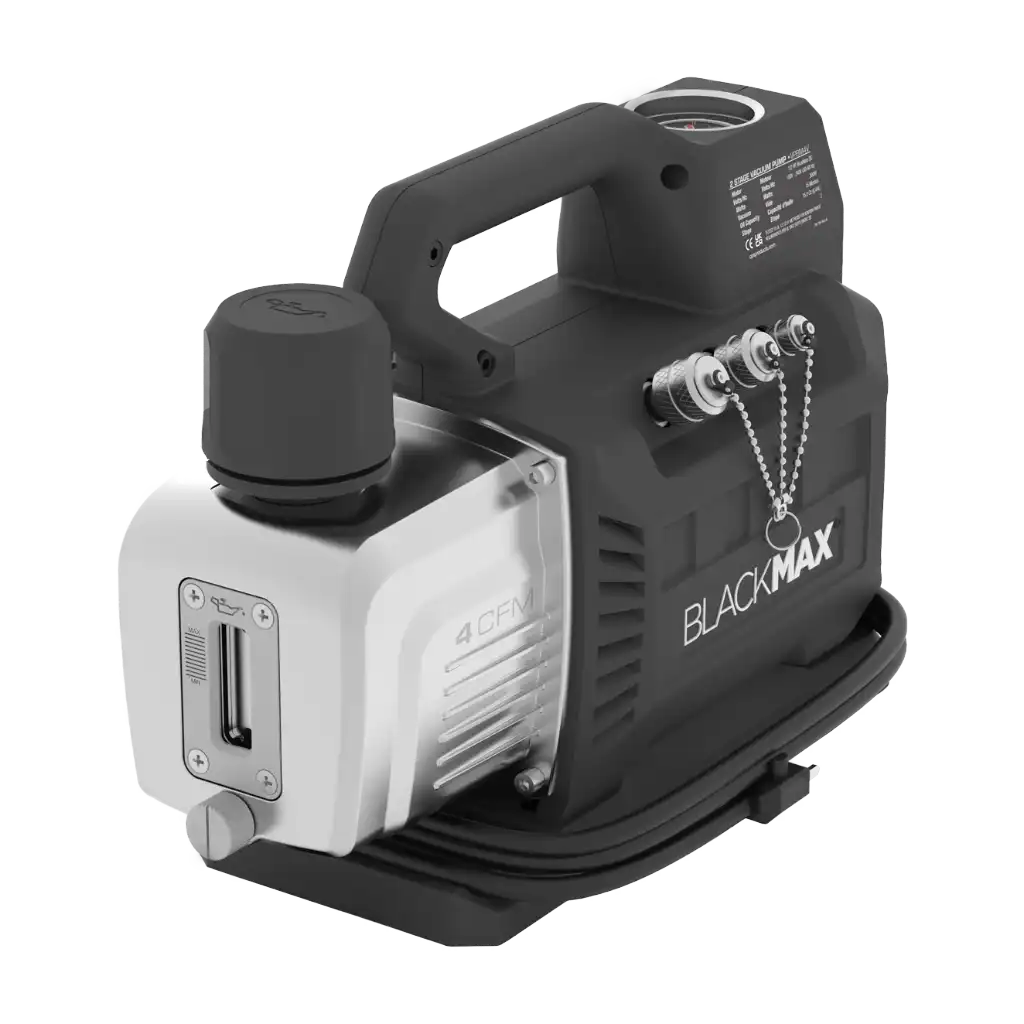 Vacuum Pumps
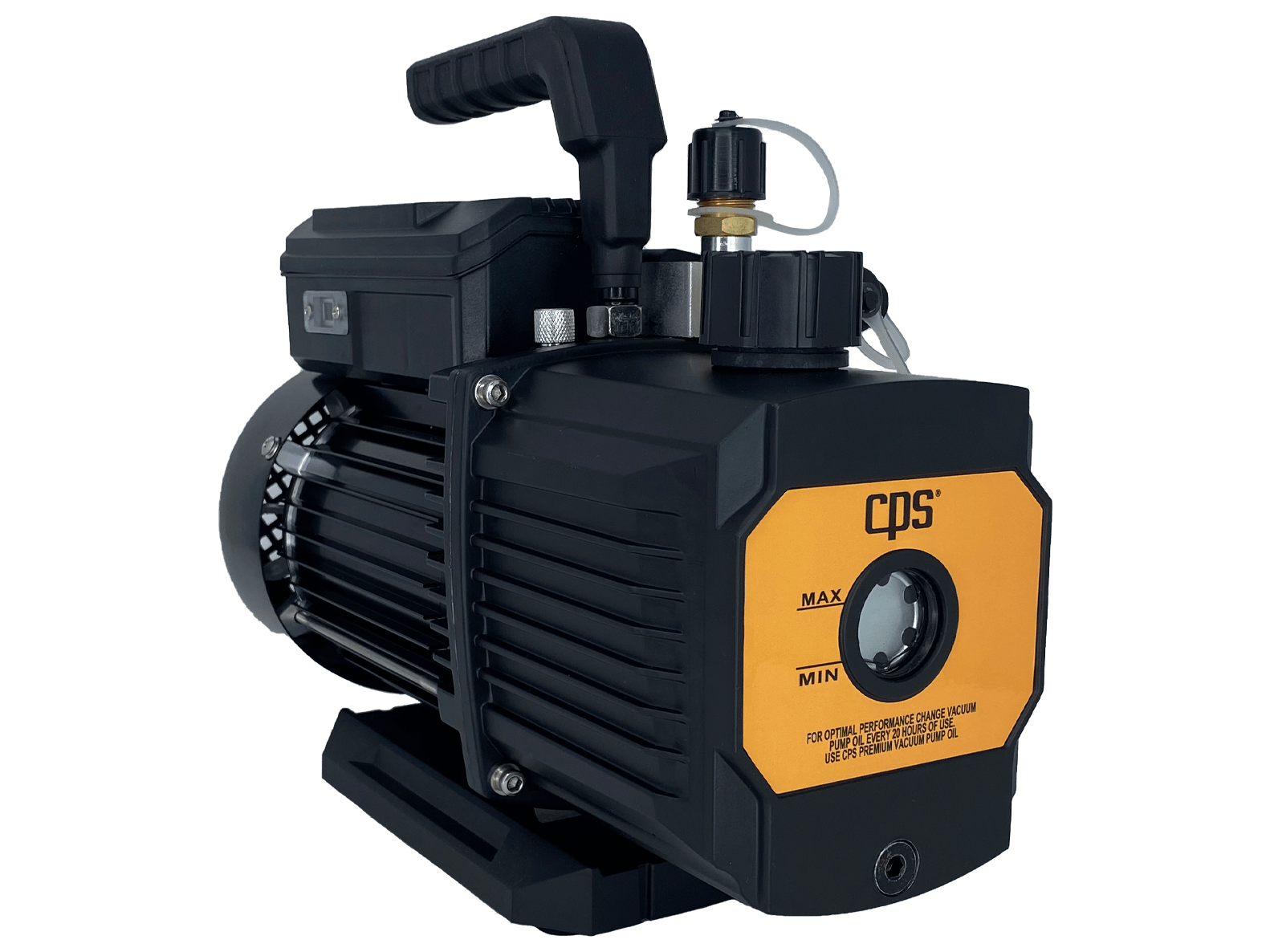 A3 Refrigerant Vacuum Pumps
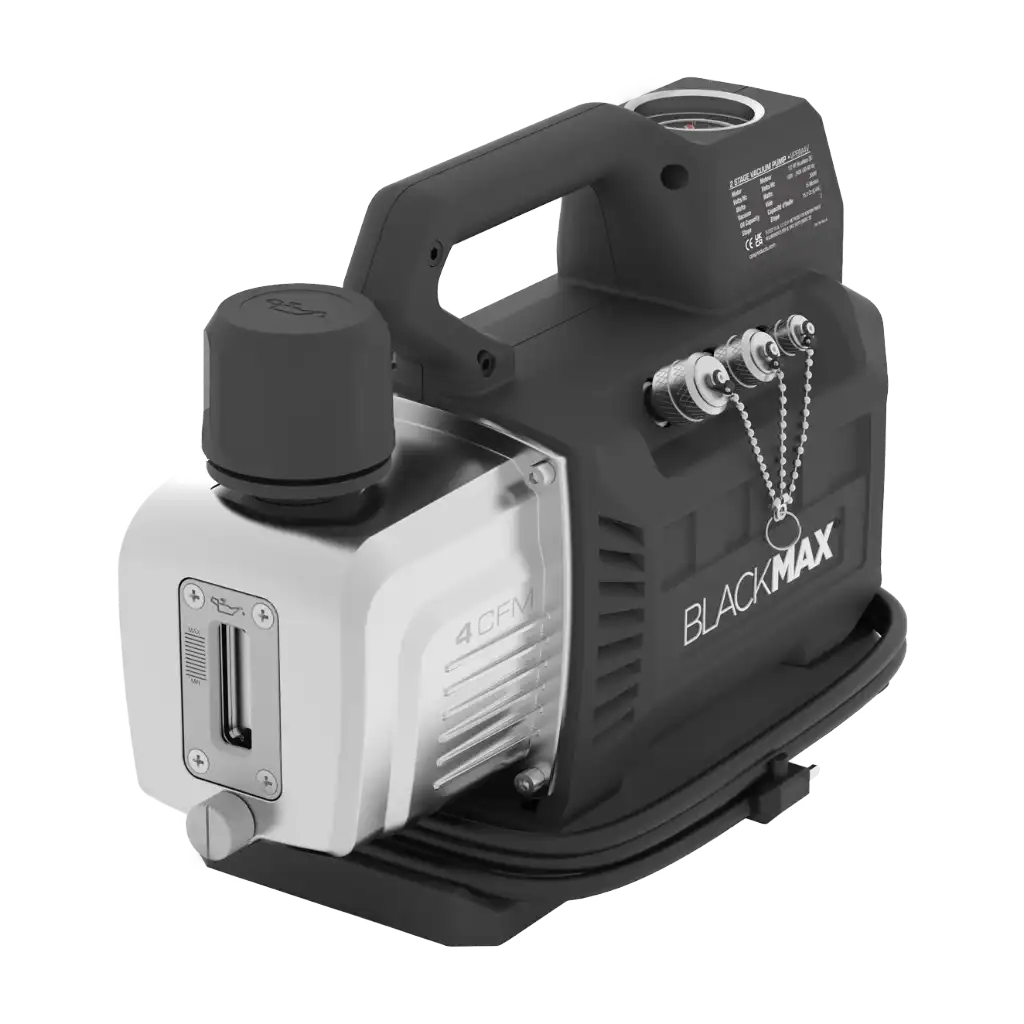 ATEX Certified Vacuum Pumps
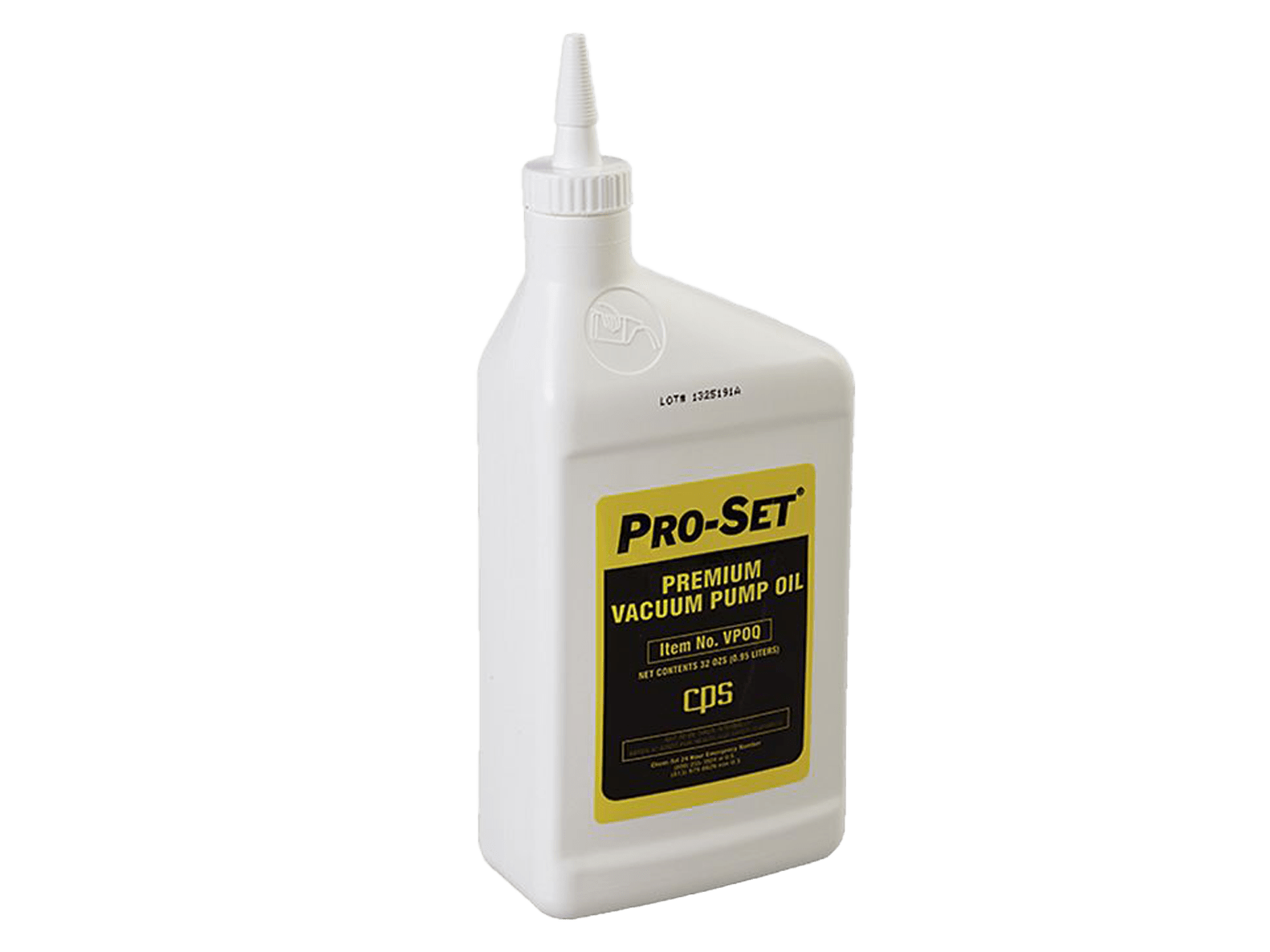 Vacuum Pump Oil
 Condensate Drain Pipe
 Condensate Pump Accessories
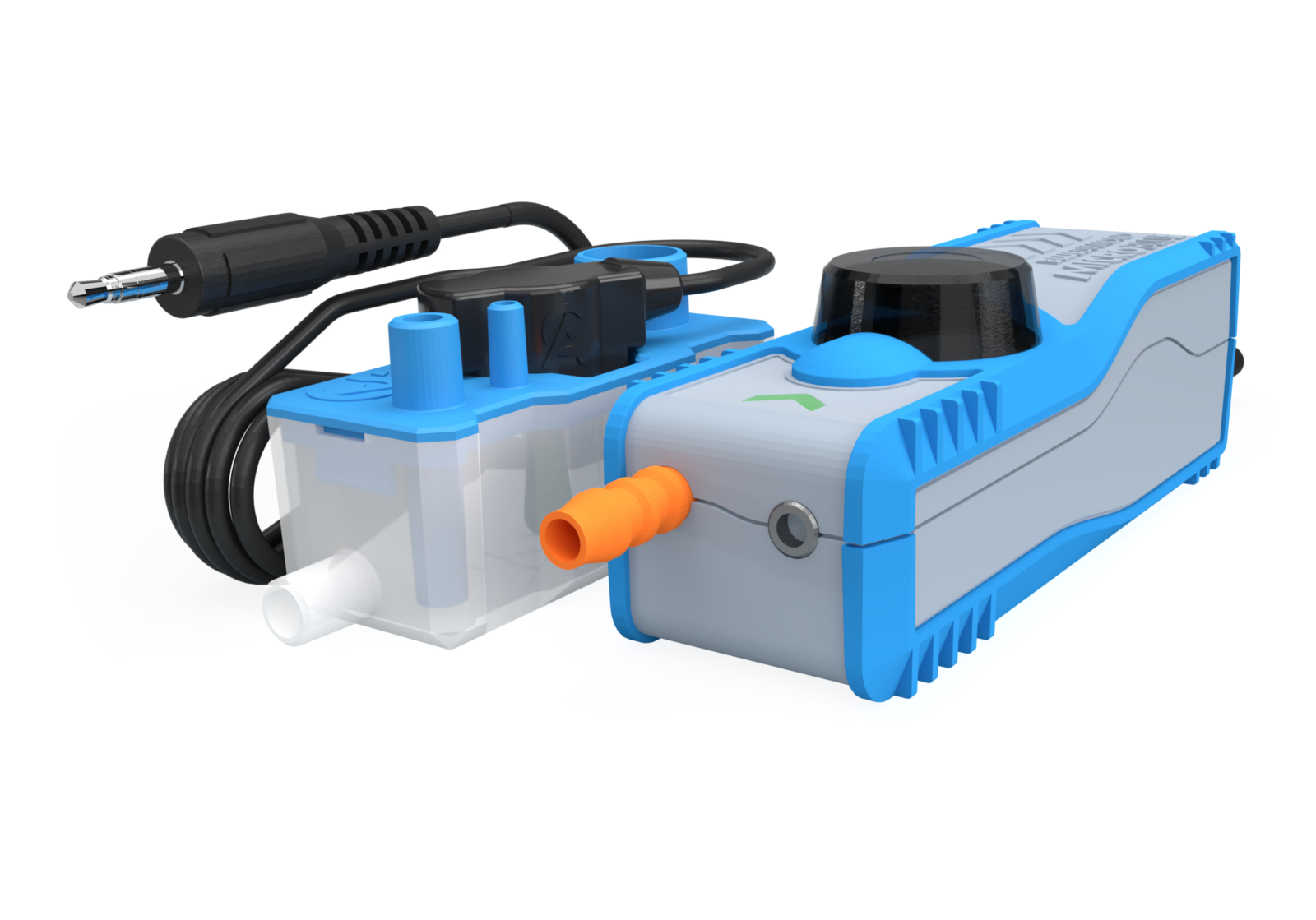 Condensate Pumps
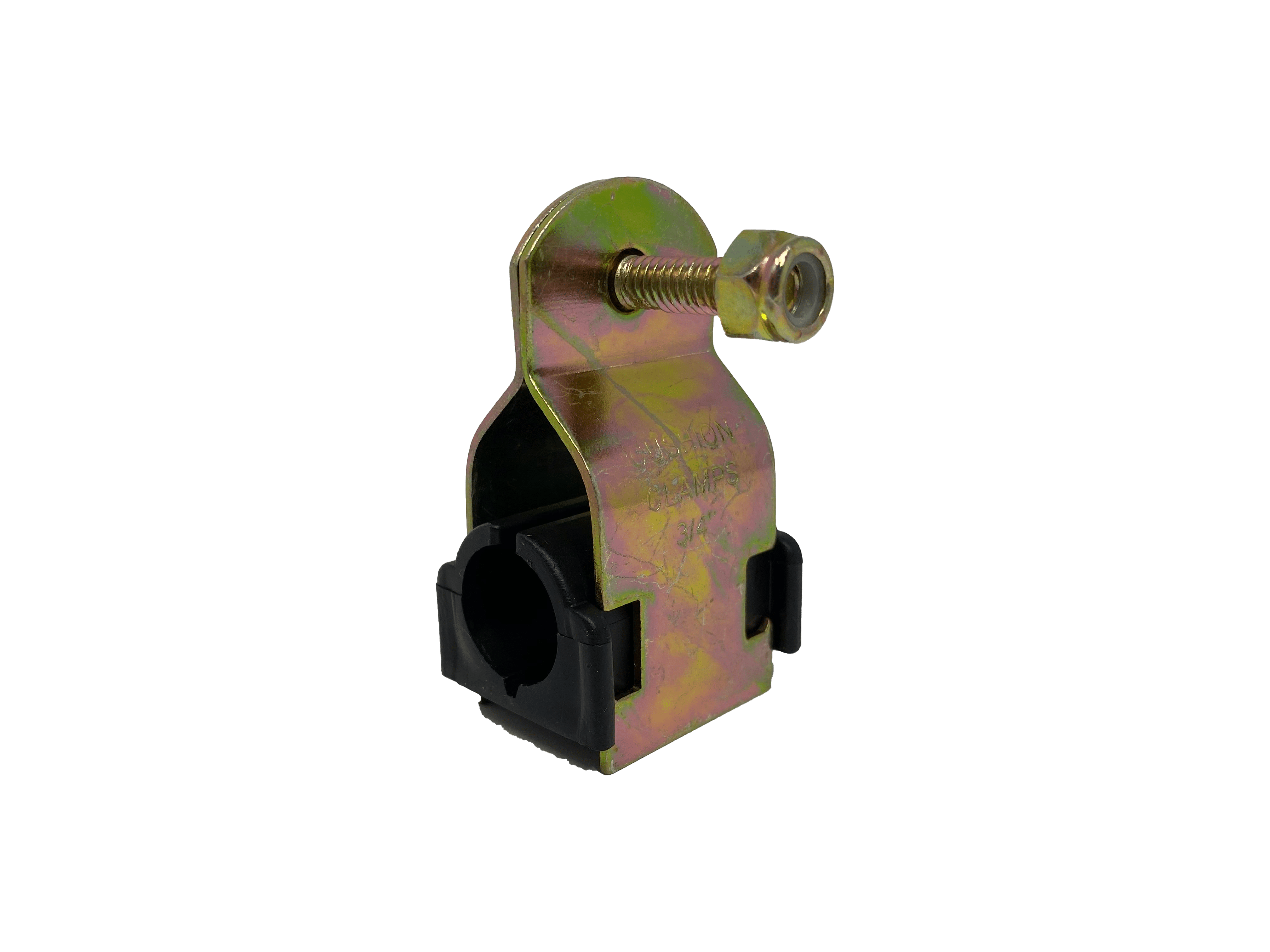 Pipe Clips & Clamps
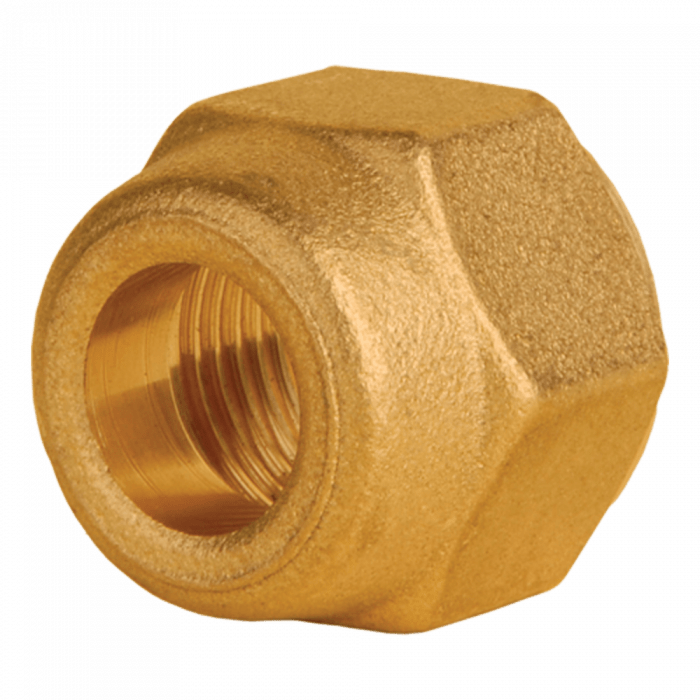 Pipe Fittings
 Copper Gaskets
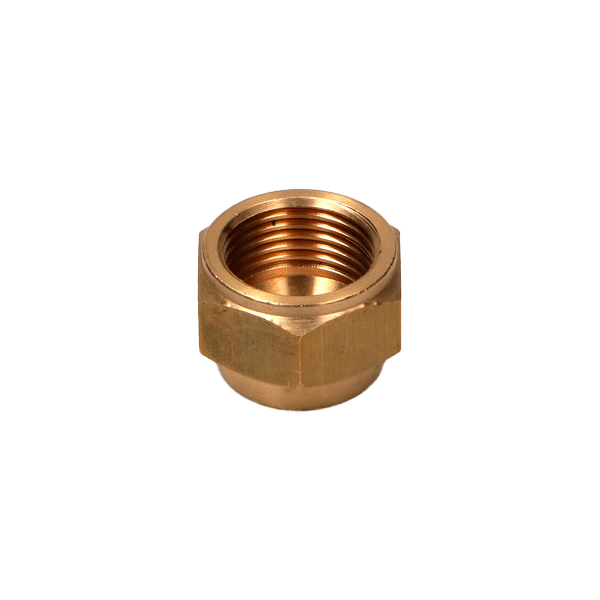 Flare Nuts
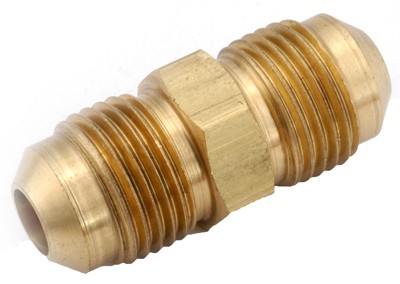 Unions
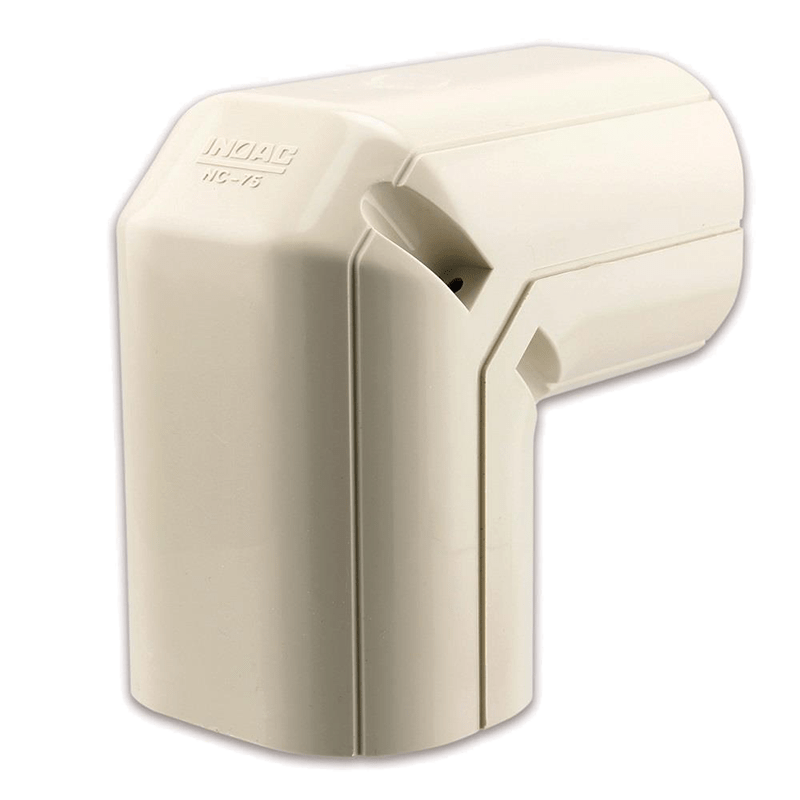 Trunking & Ducting
 Cleaning Chemicals
 Cylinder Accessories
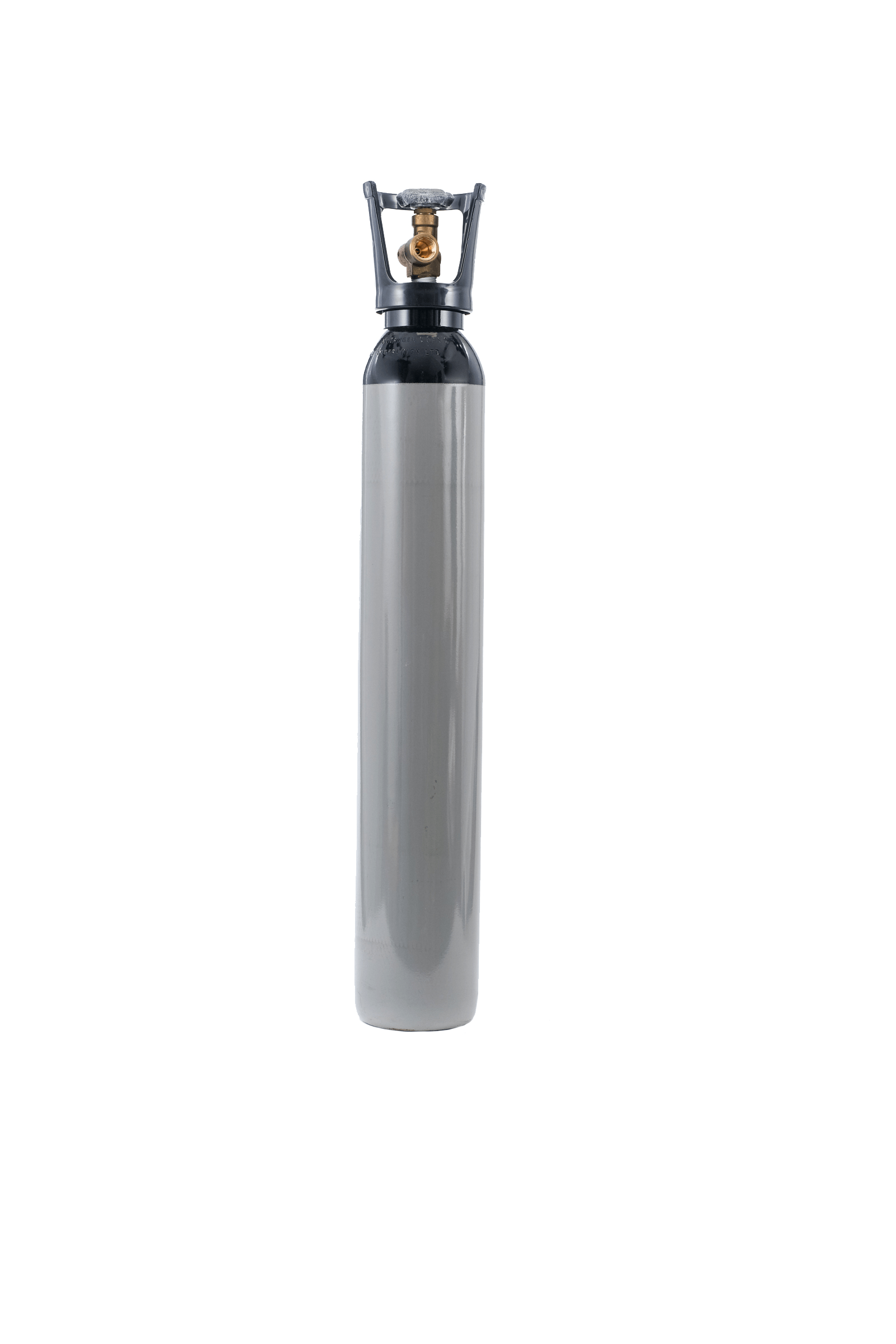 Nitrogen (OFN)
 Nitrogen Regulators
 Refrigerant Gas
 Sealants
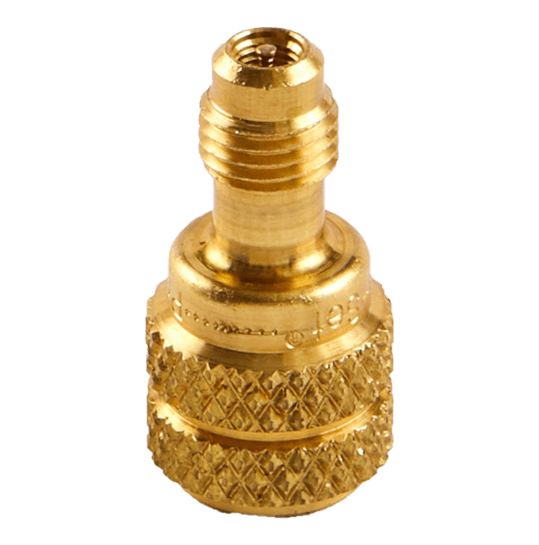 Adaptors & Refrigeration Fittings
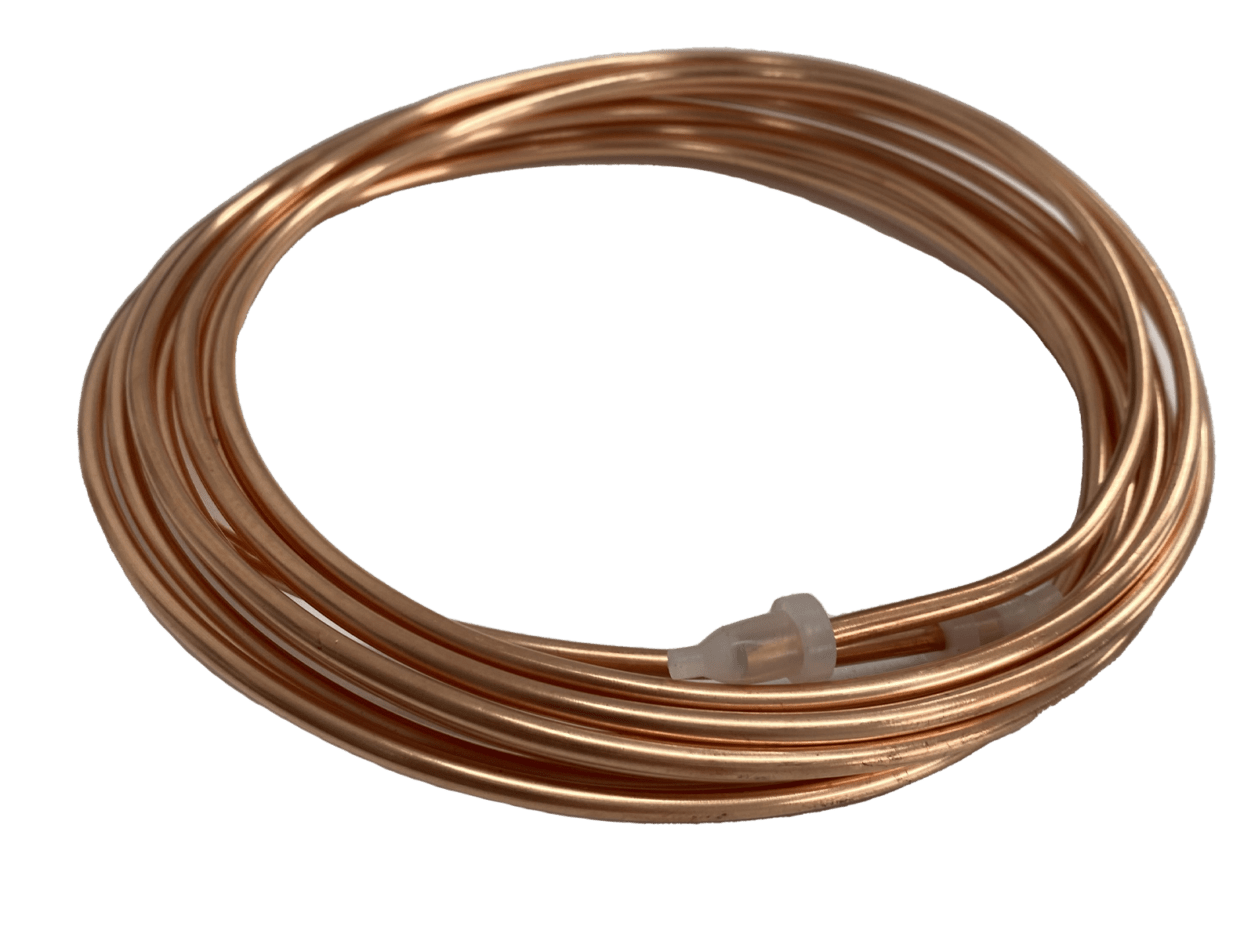 Capillary Tube
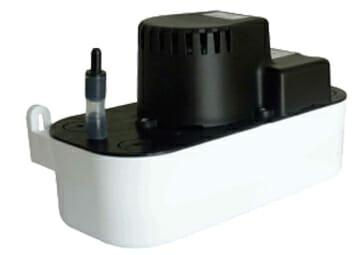 Condensate Pump Spares
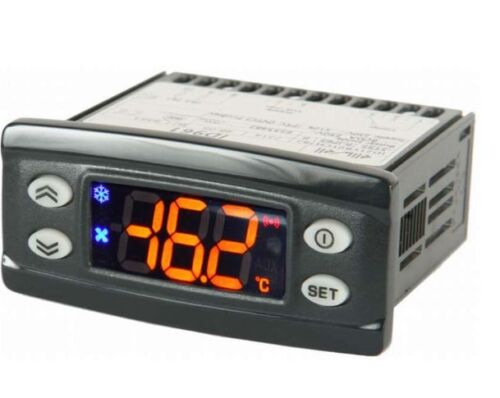 Controllers & Temperature Probes
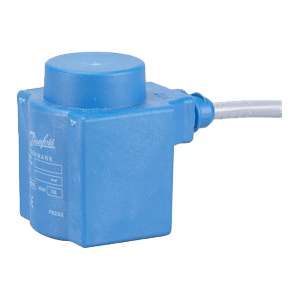 EV Coils
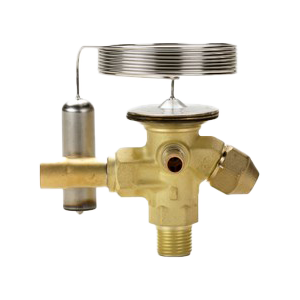 Expansion Valves
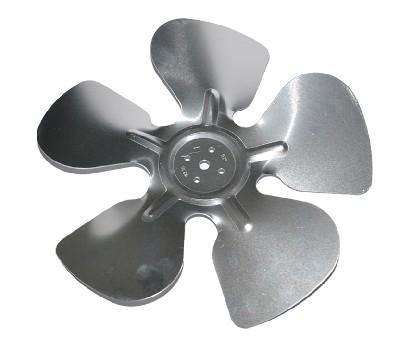 Fan Blades
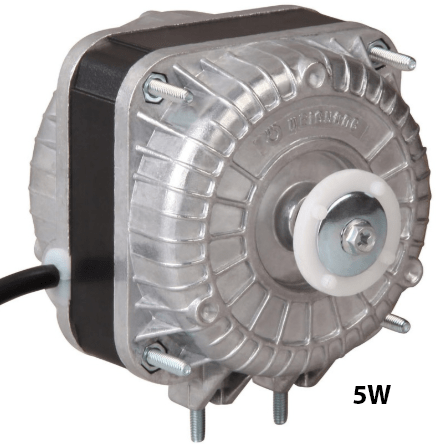 Fan Motors
 Filter Driers
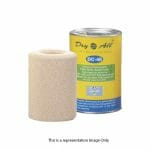 Filter Cores for Core Shells
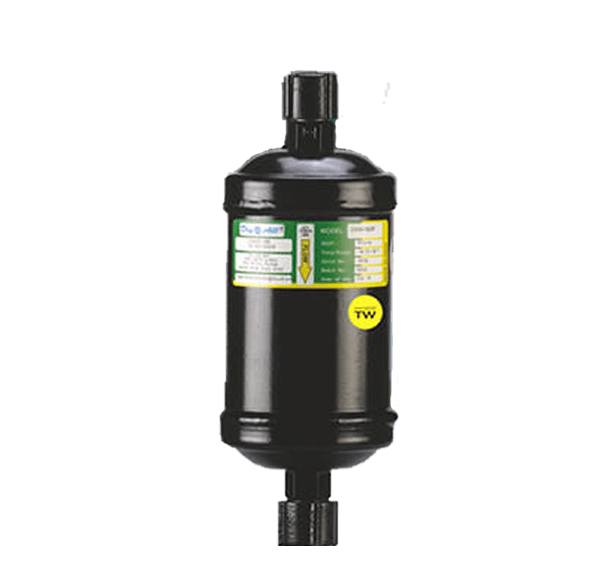 Suction Line Filter Driers
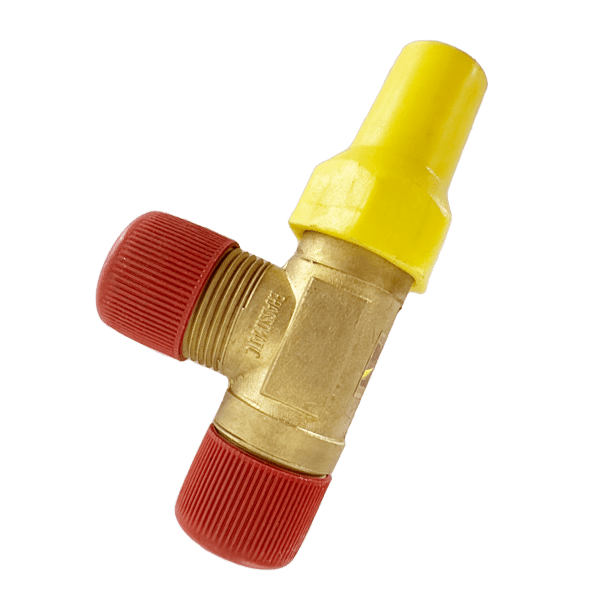 Receiver Valves
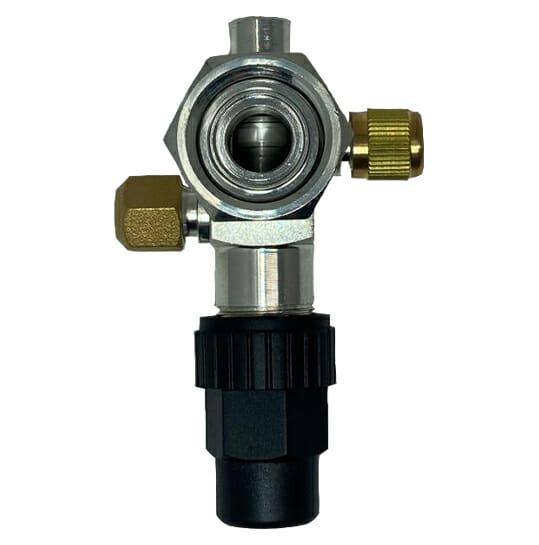 Rotolock Valves
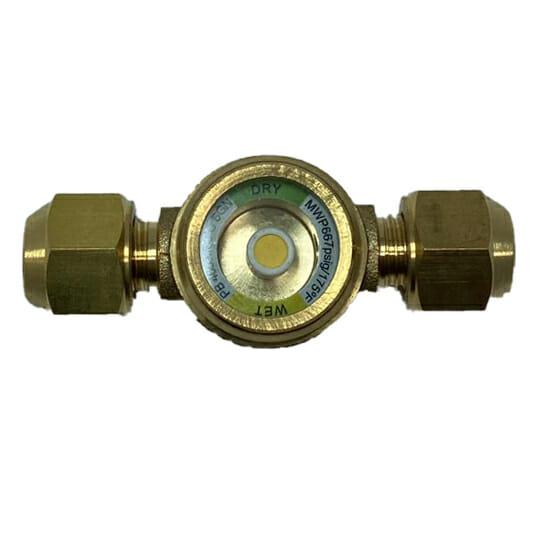 Sight Glass / Moisture Indicators
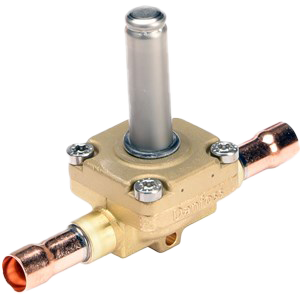 Solenoid Valves
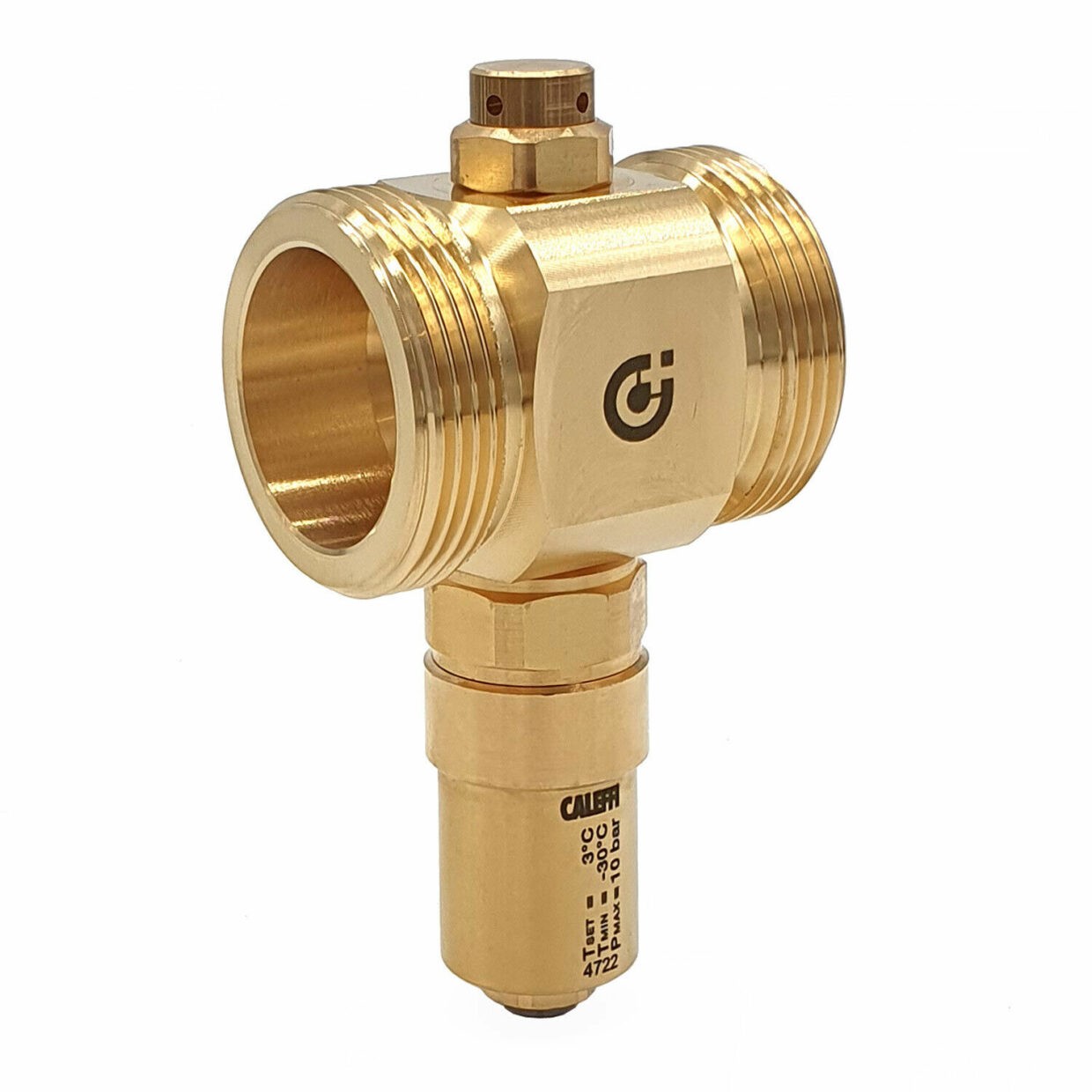 Valves
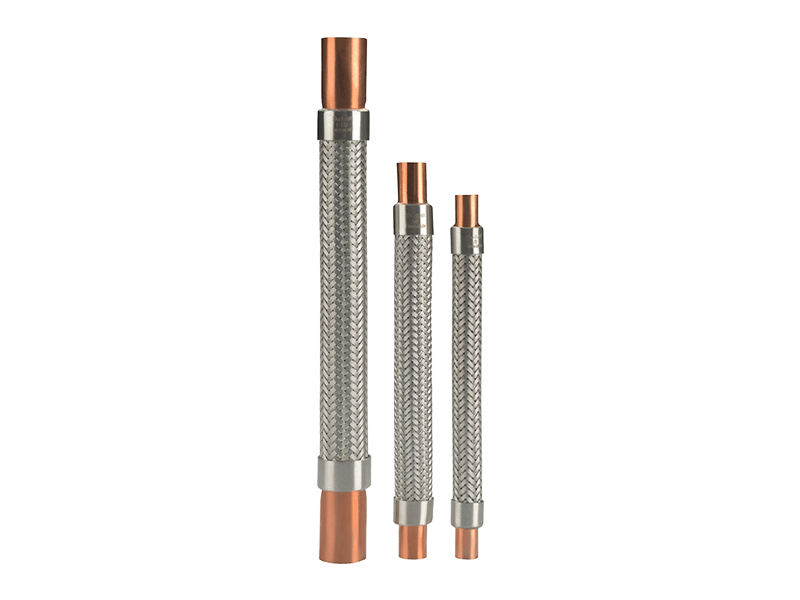 Vibration Absorbers
VOL 62 – Detailed Principle of “Free Cooling” & Close Control Air Conditioning

Free Cooling utilises ambient air, when at sufficiently low temperatures, to either eliminate or reduce the need for mechanical cooling.
Free Cooling utilises ambient air, when at sufficiently low temperatures, to either eliminate or reduce the need for mechanical cooling.
The revival of close control air conditioning brought with it the modern day demands of energy conscious, environmentally aware customers. With the introduction of this more sophisticated market, close control systems have...
Temperature, humidity and contamination control for industrial and medical applications present special challenges.
The proliferation of telecommunications services, both public switched networks and cellular, has created an increasing demand for efficient and reliable precision air conditioning. Both the sensitive electronic equipment and associated batteries should...
MASTERCLASS - AIR CONDITIONING TECHNOLOGY A general introduction to “close control” or precision air conditioning – highlighting the differences with comfort air conditioning. Specific computer room applications are discussed this month. Next...
MASTERCLASS - AIR CONDITIONING TECHNOLOGY VOL 56 – Direct Expansion Refrigeration Cycle Last month (VOL 55) we covered Chilled Ceilings and Chilled Beams, this following on from our coverage of Chilled Water...
MASTERCLASS - AIR CONDITIONING TECHNOLOGY Volume 44 - Textile Based Air Distribution Pt2 In last month’s article (Volume 43) we commenced a 4-Part Study of Textile Based Distribution Systems. We now...
MASTERCLASS - AIR CONDITIONING TECHNOLOGY VOL 43 - Textile Based Air Distribution Pt1 In last month’s article (VOL 42) we completed a 3 Part study of Air Handling technology and the...
MASTERCLASS - AIR CONDITIONING TECHNOLOGY Volume 42 - Air Handling and the relevant Air Handling Equipment (Part 3 - Continued) Volume 40 & 42 articles we completed Part 2 of...
MASTERCLASS - AIR CONDITIONING TECHNOLOGY Volume 37 - Cooling Mediums In the previous two articles, a method for establishing the condition and volume of air that had to be cooled by...