
 AC Installation Accessories
 Condenser Support Systems
 Roof Mount Systems
 Cassette Split Systems
 Wall Mounted Split Systems
 AC Couplers
 Automotive Manifolds
 Basket Tray
 Channel & Tray
 Channel Nuts
 Screws & Bolts
 Threaded Rod
 Washers
 Braided Hose
 Copper Tube
 Back Boxes
 Cable Glands
 Electrical Cable
 Electrical Tape
 Isolators
 Lamps & Torches
 Plugs & Extension Leads
 Switches
 Inspection Tools
 Mobile Device Accessories
 PPE
PPE Hi-Vis Clothing
 Knee Pads
 Safety Gloves
 Safety Helmets
 Brazing Tools
 Brazing Rods
 Brazing Mats
 Brazing Torch Heads
 MAPP Gas
 Diagnostic Tools
 Digital Thermometers
 Smart Probes
 System Performance Analysers
 General Hand Tools
 Cutters
 Files
Files Hammers
 Hex Keys
 Levels & Tape Measures
 Saws
Saws Screwdrivers
 Wire Strippers
 Wrenches
 Leak Detection
 Electronic Leak Detectors
 UV Leak Detection
 Pipe Tools
 Deburring Tools
 Drain Guns
 Fin Combs
 Flaring Tools
 Line Tap Valves
 Tube Benders
 Tube Cutters
 Tube Expanders
 Tube Straighteners
 Manifold Gauges
 Recovery Machines
 A1-A2L Recovery Machines
 A3-Refrigerant Reclaim Machines
 ATEX Certified Reclaim Machines
 Refrigerant Hoses
 Core Removers
 Hose Gaskets & Seals
 Refrigerant Scales
 Vacuum Pumps
 A3 Refrigerant Vacuum Pumps
 ATEX Certified Vacuum Pumps
 Vacuum Pump Oil
 Condensate Drain Pipe
 Condensate Pump Accessories
 Condensate Pumps
 Pipe Clips & Clamps
 Pipe Fittings
 Copper Gaskets
 Flare Nuts
 Unions
 Trunking & Ducting
 Cleaning Chemicals
 Cylinder Accessories
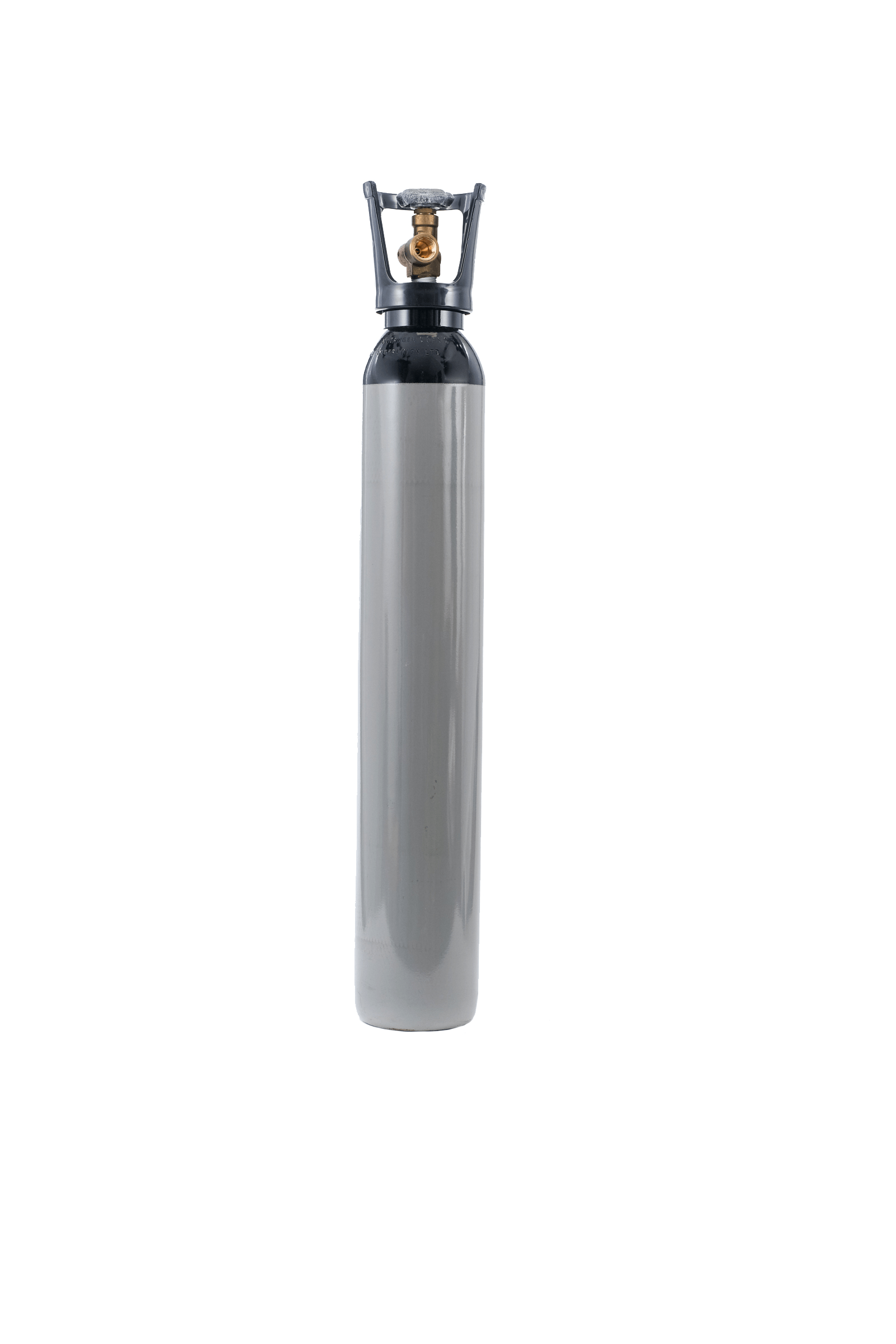 Nitrogen (OFN)
 Nitrogen Regulators
 Refrigerant Gas
 Sealants
 Adaptors & Refrigeration Fittings
 Capillary Tube
 Condensate Pump Spares
 Controllers & Temperature Probes
 EV Coils
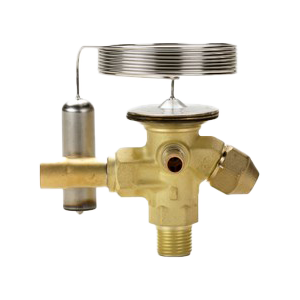 Expansion Valves
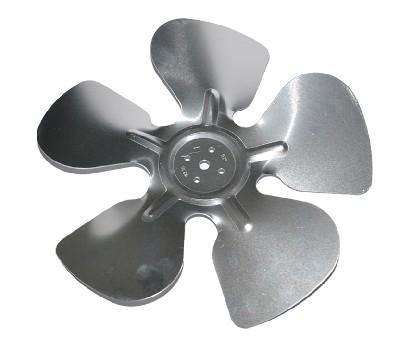 Fan Blades
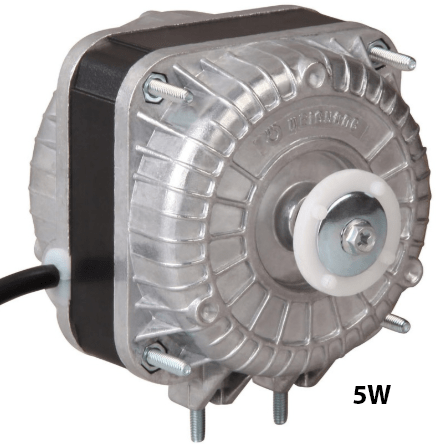 Fan Motors
 Filter Driers
 Filter Cores for Core Shells
 Suction Line Filter Driers
 Receiver Valves
 Rotolock Valves
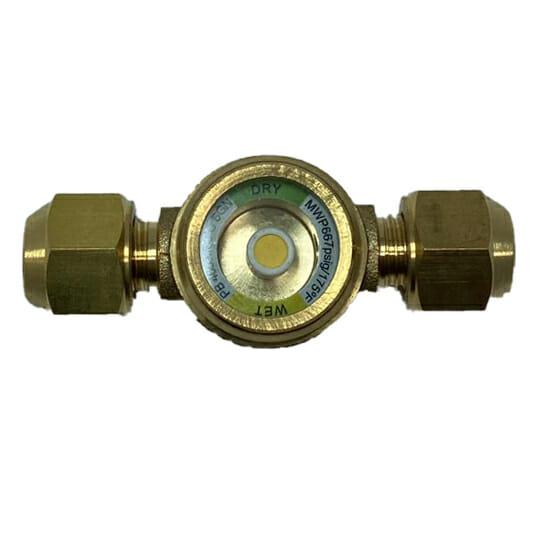 Sight Glass / Moisture Indicators
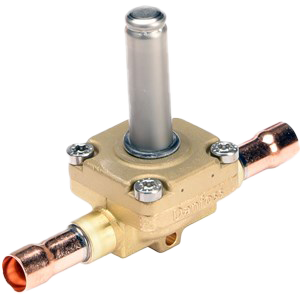 Solenoid Valves
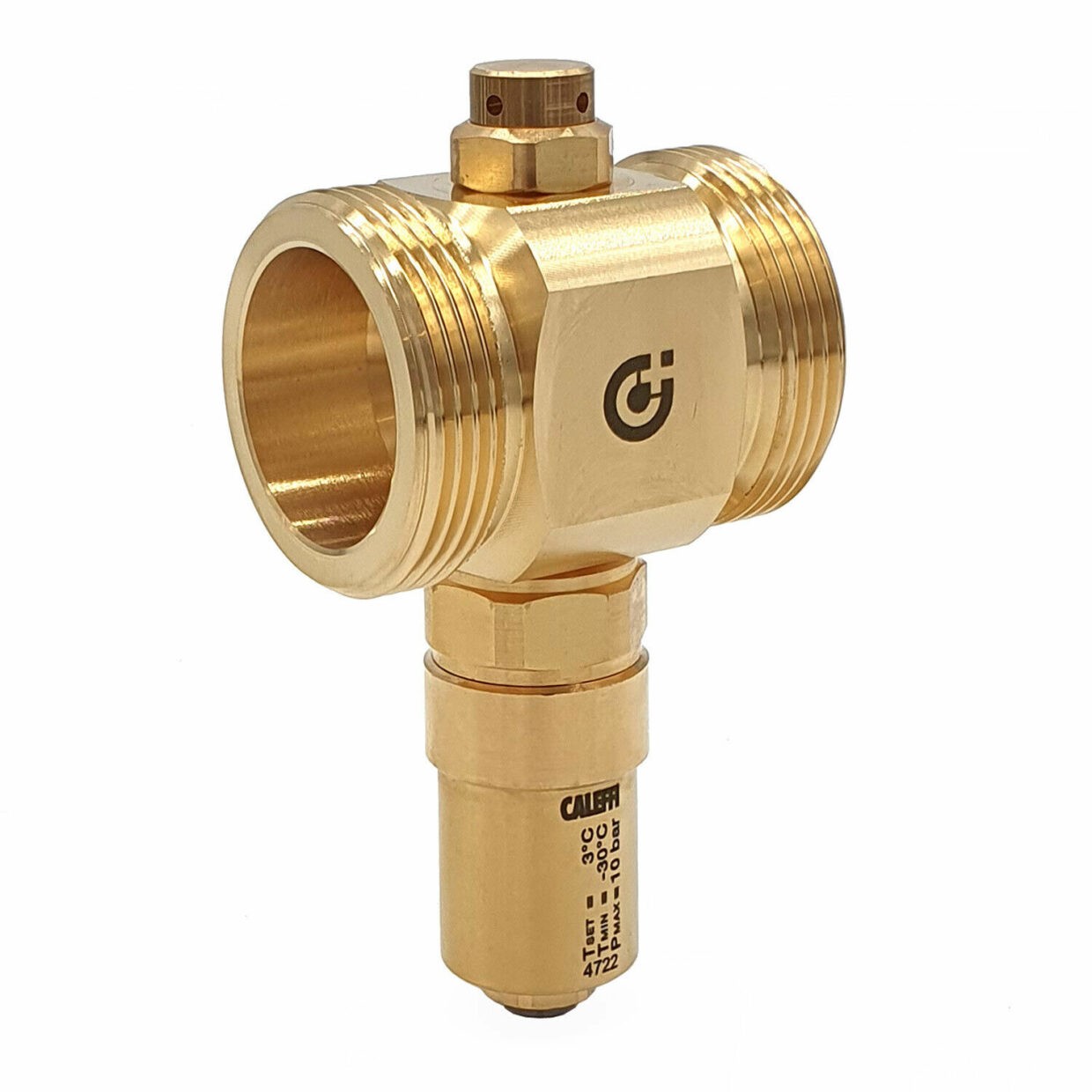 Valves
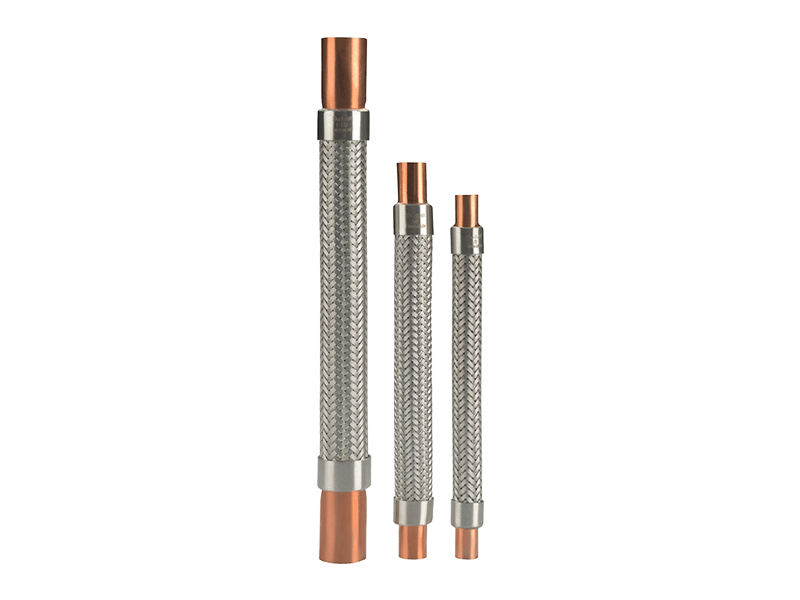 Vibration Absorbers
Applications for Chemical Dehumidification – Preservation
Last month’s article introduced dehumidification. The principle differences between cooling and desiccant methods were discussed and a guide to help selection of the most appropriate technology was given.
In this month’s article we concentrate on the use of dehumidification for the protection of raw materials, finished goods and building structures. This type of application is generally described as the Preservation market.
We will look at preservation, corrosion, condensation, mould and fungus growth etc, all factors associated with moisture control. Design considerations, selection and sizing and energy consumption against alternative methods will also be discussed.
The applications for desiccant dehumidifiers are exceptionally diverse but we will select some well known cases to illustrate the effectiveness of the technology.
It should be pointed out at this stage that cooling type dehumidification is generally not suited to this application – primarily for cooling dehumidification to be effective the temperature needs to be above 10°C with 20°C being the optimum. This does not offer economic solutions for preservation applications.
The applications we highlight are most suited to desiccant type dehumidifiers.
Who Can Benefit from Dehumidification?
Virtually everyone can benefit one way or another other from dehumidification.
The UK has over 1,500 museums, historic buildings and private collectors with priceless paintings, manuscripts and artefacts. All suffer the effects of excessive moisture. If these are left in an unprotected environment they would deteriorate eventually to the point of destruction. This would be a huge loss to the nation’s heritage.
There is an ever increasing population of storage warehousing in the UK – most industries require some form of storage facility. Failure to protect raw materials, finished goods and buildings from the effects of excessive moisture costs British Industry millions every year.
Unfortunately the UK has one of the wettest climates in the Northern Hemisphere; fortunately this is slowly being recognised by Curators and Industrialists. High humidity constitutes a continued and unseen threat to profits and our national heritage.
Preservation
What is preservation and why is humidity important?
The level of Relative Humidity in the air within a display or storage environment is critical to the suitability of that environment to contain the objects that would otherwise perish or corrode. Water retentive materials such as paper, textiles and wood absorb moisture and create a suitable environment for bacterial, mould and fungal growth. By removing the moisture from the environment the damaging effects can be eliminated. This is preservation.
Metals
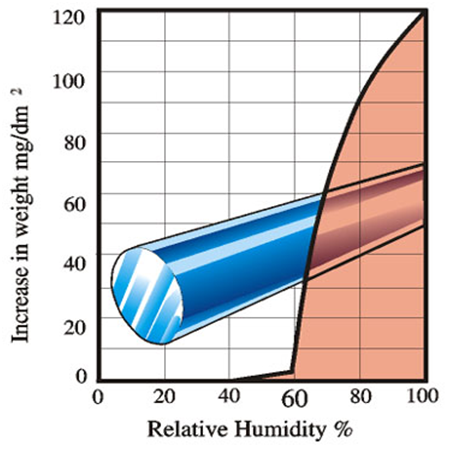
Ferrous, non ferrous metal and alloys corrode rapidly in the presence of water vapour and the rate of corrosion is further accelerated by natural or industrial pollutants in the air. Bronze for example can develop the phenomenon known as “bronze disease” breaking into active corrosion if the relative humidity is too high. Corrosive activity is significantly reduced at relative humidity levels below 60%.
Materials
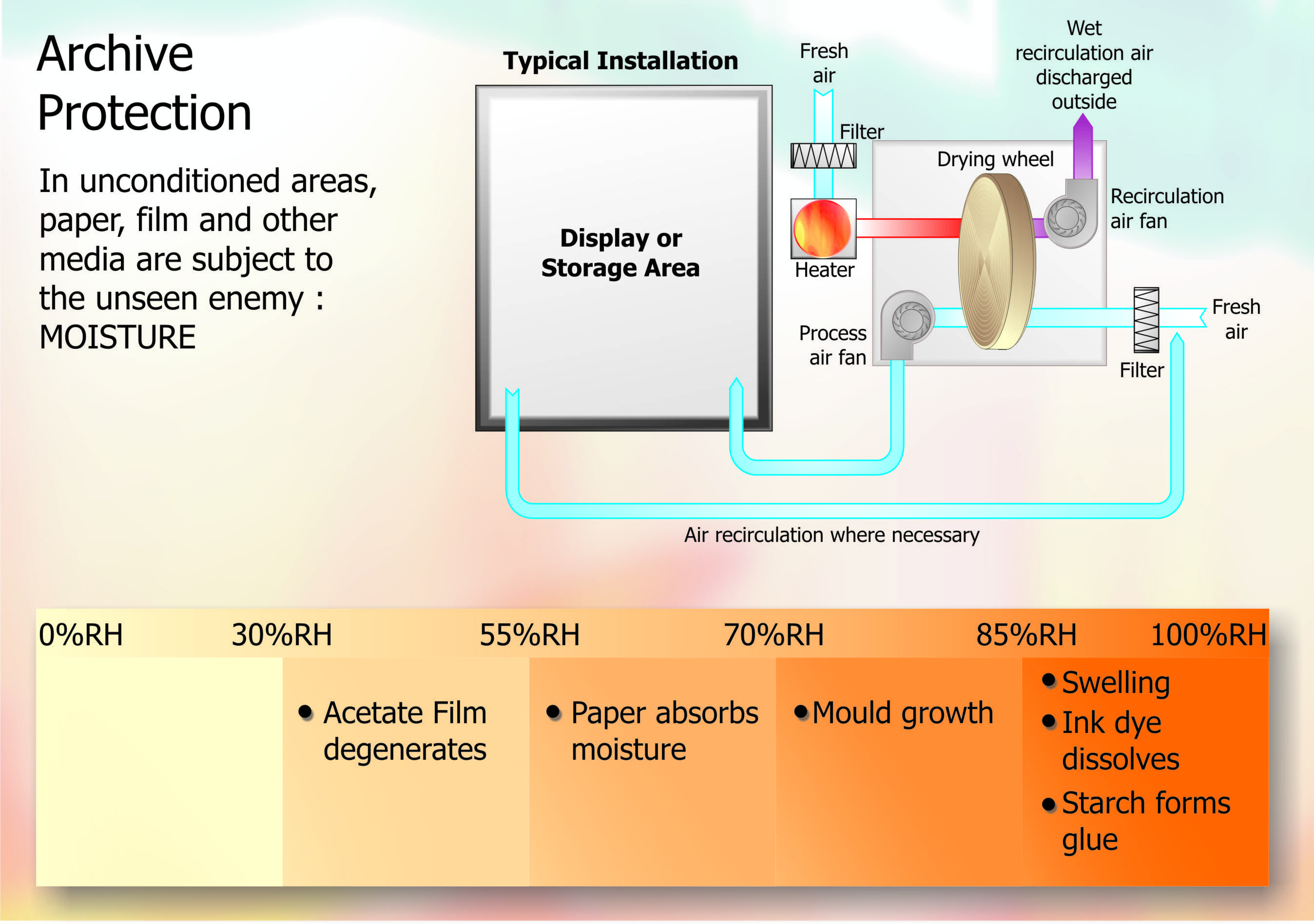
Whether you have a natural history specimen, textile, paper, book, manuscript, print or any other ethnographic material (wood, leather or ivory), all such materials are subject to a natural process of decay. As they are all organically based they are susceptible to mould growth and rapid deterioration, particularly in a warm moist environment. These processes can be retarded when the relative humidity is kept under control.
Archives
The long term storage of paper and film needs very special conditions. For example old flammable nitrate film shrinks and decomposes with age and needs to be carefully copied onto modern safety film if it is to be preserved. Humidity is the key factor affecting acetate film degeneration. The optimum conditions required are 30% relative humidity with temperatures ranging from 3oC to 20oC if the safety of the film is to be guaranteed.
Historic buildings
In 1878 the neo gothic church in St Joseph’s, De Roubaix was completed. The building is completely unique but over the years has suffered greatly form humidity. The marble floor was constantly damp, the frescos and paintings were being ruined and mould and saltpetre were appearing on the walls and pillars. The magnificent stained glass windows were also suffering damage. Various attempts at restoration had been attempted and failed. It became a matter of prime importance that this masterpiece be safeguarded therefore a solution to the problem of humidity had to be found.
Desiccant dehumidifiers were installed and created a constant relative humidity level.
Since installation the mould has been eliminated, the floor is always dry, the wood panelling is no longer warped and successful restoration of the paintings and frescos have been possible.
Corrosion
All materials corrode, which is to say every substance eventually changes from one form to another through chemical reactions. Many of these reactions, especially those which depend on oxygen, are catalysed and accelerated by moisture.
Ferrous metals like iron and steel are well known for their corrosion in the presence of moisture. Less well known is the fact that glass corrodes and cracks at a rate which varies according to the moisture on its surface. Pure crystals like sodium iodine and lithium fluoride also corrode, forming oxides and hydroxides in proportion to the moisture in the air.
Modern society depends more and more on computers, telecommunication equipment and lightweight composite materials using high energy batteries. While these are less subject to external gross rusting, they are very sensitive to microscopic corrosion. The tiny electronic circuits create disproportionately large problems if exposed to small amounts of corrosion.
Case study Applications
Military Storage
In the 1950,s after the Korean war, the US military used dry air storage for long term protection of inactive ships, machinery and weapons. The technique saved millions of dollars in preservation costs. In the 1970,s European military groups pioneered the use of desiccant equipment for the protection of active duty military material. Today tens of thousands of desiccant dehumidifiers protect expensive military equipment in all parts of the world, cutting maintenance costs drastically and increasing the combat readiness of aircraft, tanks, ships and supplies.
Electronics Protection
Computers and other electronic equipment use small voltages and low currents to perform their functions. When minute layers of corrosion build up on circuit surfaces they increase electrical resistance and decrease capacitance which can seriously effect calibration and performance. Humidity control using desiccant dehumidifiers can prevent these problems saving calibration time and mean time failure of electronic systems.
Power Plant lay-up
When power plants are idled for maintenance or because of excess generator capacity, desiccant dehumidifiers are installed to blow dry air through the steam and generation machinery. This costs less and is safer than blanketing with nitrogen and is far more effective than either wet lay-up with corrosive inhibitors or preservation in grease. Dry air lay-up is very simple and the plant can go back on line instantly.
Lithium Battery Production
Lithium, plutonium and other high energy metals are hazardous because they ignite when atmospheric water vapour makes them corrode. Desiccant dehumidifiers control large production areas at moisture levels below 1% relative humidity which makes it possible to work these materials safely. This has made large scale production of lithium batteries economically viable. Without desiccant dehumidification the lithium battery would still be an expensive special purpose curiosity.
Condensation
When cold surfaces are surrounded by moist air, water vapour will condense on the surface. A typical example is a cold beer glass in summertime. Condensation can lead to a surprising number of problems. For instance, customers in a supermarket may not be able to see frozen products in a refrigerated display case with a glass door. It may be obscured by condensation or frost. Alternately, condensation can form on hidden aircraft structural members as the plane descends from the cold upper atmosphere into moist environments, this can and has resulted in disastrous results. In both of these cases desiccant dehumidifiers have been used to solve the problem.
Often, condensation control creates economic opportunities rather than simply preventing a problem. A classic example being chilled rollers used in many industrial processes. By surrounding the rollers with dry air the coolant temperature can be optimised without the usual condensation forming. This provides the economic opportunity for increased production and reduced spoilage.
Ice Rinks
The trouble occurs when moist outdoor air enters the building and spectators generate moisture in the arena. The ice temperature is cooler than the dewpoint of the surrounding air so moisture condenses on the ice surface. The ice will soften and roughen spoiling conditions for skating and ice hockey matches. Droplets of moisture also form on the building structure due to the temperature being below dewpoint. There is potential moisture damage throughout the entire building as the relative humidity is often 90% to 100%.
The installation of desiccant dehumidifiers removes the moisture before it can condense on the ice and structure. Removing this massive latent load from the refrigeration plant can save thousands of pounds each year. The dry air provides the rink with the perfect surface for curling, ice skating, and ice hockey.
Swimming Pools
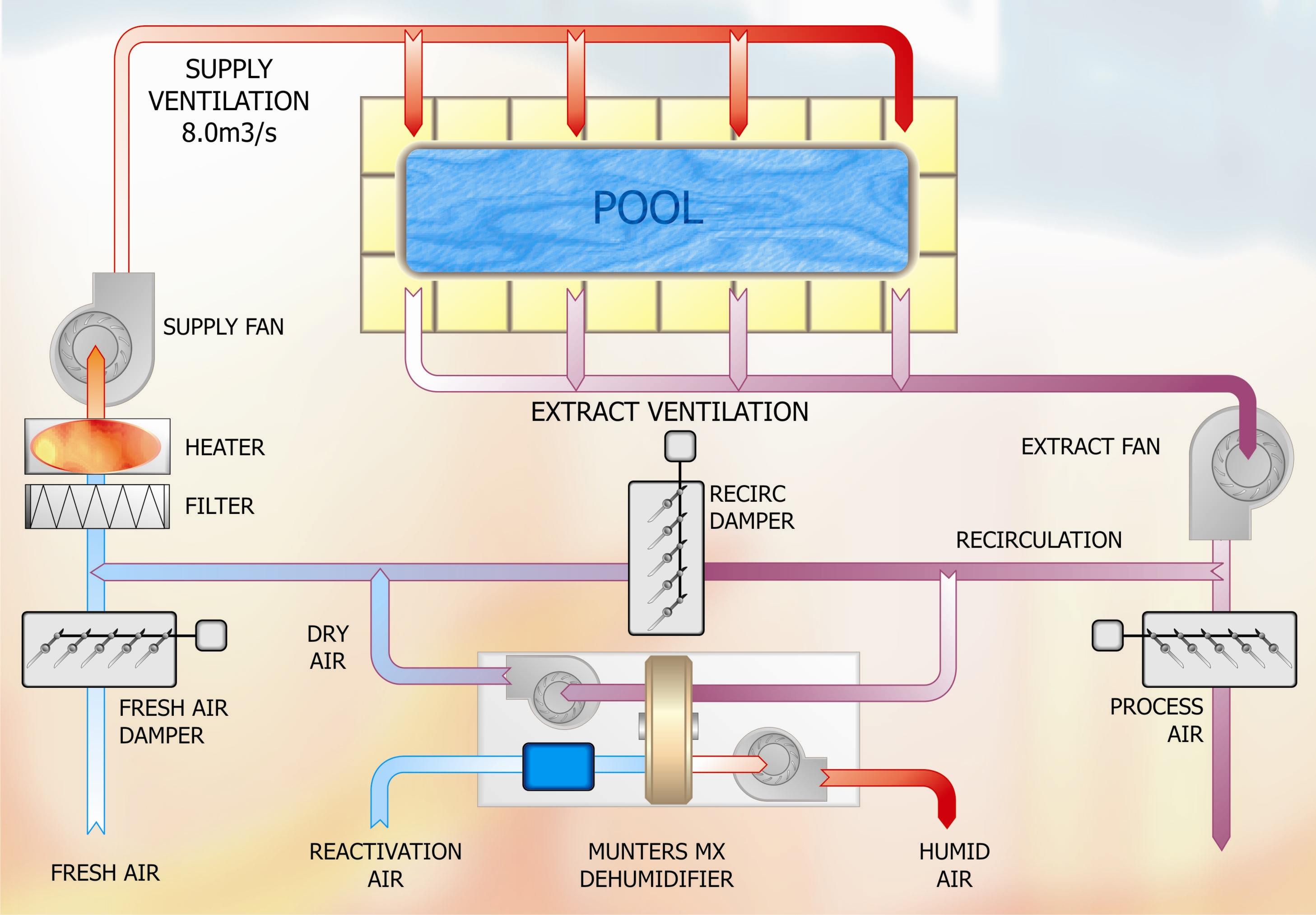
Large quantities of water evaporate from the warm surface of the pool – more than a ton per day in a medium size pool.
Unless this water vapour is efficiently removed condensation will occur and damage the fabric of the building. High levels of moisture in the pool hall air will also make conditions uncomfortable for bathers and staff. Both will have serious financial consequences. To avoid deterioration of the building fabric and meet the comfort conditions, the relative humidity has to be kept under 65%.
Swimming pools are energy intensive buildings and running costs are of paramount importance. Desiccant dehumidifiers not only successfully control the humidity levels in pools, but field trials by British gas on behalf of local authorities proved approx 50% savings are available over alternative systems.
Water Treatment Plants
Ground water and lake temperatures are often much lower than atmospheric dewpoint. This results in condensation on the outside of the pipes, valves and control in the plant rooms operated by local water authorities. This cause’s corrosion, mould and fungus growth. Because desiccant dehumidifiers operate comfortably at low temperatures they are perfectly suited to provide humidity control in the pumping stations and many installations are in use throughout the UK. The cost of the dehumidifier is very modest compared to the cost of painting and periodical replacement of expensive valves and controls. Additionally, the sanitary benefits of eliminating fungus and bacteria have increased in importance as consumers become more sensitive to water quality issues.
Surface Preparation and Coating
Large, cool metal surfaces like ships hulls and chemical storage tanks must be periodically re-coated. Coating manufactures will not guarantee the life of the coating unless the contractor can prove the surface was clean and dry when the coating was applied. Contractors now use desiccant dehumidifiers so they can blast and coat regardless of the weather. Dry air lets them keep a cleaned surface free from condensation indefinitely which means they can schedule coating operations more economically. Desiccant dehumidifiers provide better coatings for the end user and lower costs for contractors.
Cold Storage
As everyone knows, ice and frost is caused when moist air enters the cold store. When it comes into contact with cold surfaces such as floors, walls and evaporator coils the water vapour in the air condenses to form water and then freezes to form ice. If the cold store has a loading dock it may remain as condensate but will result in wet floors and surfaces. This is a dangerous situation and accidents in the frozen food industry alone are estimated at £22million per year.
Whilst Health & Safety is a concern the loss of cooling capacity is potentially the most costly. Build up of ice on evaporators greatly reduce the efficiency of the cooling plant and cold store temperature increase is a constant worry to cold store managers.
The installation of desiccant dehumidification equipment that can operate well at low temperatures can remove the moisture from the air before it can enter the cold store. With reduced defrosting and more efficient evaporators and dry floors cold store operations can be safer and far more profitable.
Design Considerations
In designing dehumidification installations there are few tasks as important as quantifying the moisture loads that must be removed by the system. Without a clear understanding of the dimension of the loads, their frequency and source , it is impossible to design a system to remove them. While the task is essential, moisture load calculation has historically been a somewhat controversial and personal procedure. That may seem odd given the well defined tables and graphs developed to assist the engineer. But the uncomfortable fact remains that two equally qualified individuals may arrive at different total moisture loads for the same space. Regardless, the engineer must make many assumptions and in the final analysis, the moisture load sheet represents a common agreement between equipment manufacturer, system designer and the owner of the installation. It defines the assumptions that form the foundation of the system design.
Key Considerations
- External ambient conditions – maximum summer and minimum winter conditions must be considered. Advice is available from ASHRAE for standard design data.
- Internal conditions – the required conditions for the process. Each Application will have a requirement relative to a particular situation. The condition must be specified in absolute terms (grams/kg) before the calculation can proceed.
- Moisture load sources
Once the engineer has selected the inside and outside design conditions, the moisture load calculation for each element can proceed.
Moisture load sources
There are seven principle sources of moisture:
- Permeation through walls, floors and ceilings
- Evaporation from persons clothes, breath and perspiration
- Desorption from moist products, including packaging materials
- Evaporation from wet surfaces or open tanks
- Generation from combustion
- Air infiltration through leaks, holes and door openings
- Fresh air ventilation from outside of the conditioned space
Each moisture source has to be carefully accounted for and either added to the total or discounted. Therefore, it takes an experienced Application engineer to accurately calculate this for process work but Preservation applications are relatively simple. Generally, the principle load for preservation type applications is the infiltration rate.
This is based on air change rates and informed engineers can reasonably establish this.
Case Study
A storage warehouse holding cardboard packaging is suffering from dampness, which softens the packaging creating difficulties for the packaging machinery. The moisture is effecting the visual appearance of the packed product and the end user is returning product to the manufacturer.
The engineer establishes that the recommended storage condition for cardboard is 50% R/H. Temperature however, is not important and does not need to be considered.
Moisture load from infiltration:
Warehouse volume: 2000m3
Estimated air change rate: 0.5 per hour
Summer worst condition: 28°C and 12g/kg (50% R/H)
Required conditions: 50% R/H at ambient temperature
At 28oC the space is safe, but as the temperature drops the relative humidity (R/H) increases. To maintain the R/H we must remove moisture or maintain the temperature.
The actual load is calculated using the dewpoint temperature for 12g/kg and calculating 50% R/H against that value (6g/kg)
Giving Moisture load = 2000 x 0.5 x (12 – 6) x 1.2 = 7.2kg/h
1000
Note 1.2 is standard value in kg/m3 for the air density
The engineer would now contact an equipment manufacturer for price estimates for a dehumidifier to cope with a load of 7.2kg/h at the design condition.
This principle can be applied to most preservation type applications but the engineer should be aware that other factors could influence the final moisture load. This calculation is very simplistic and should be used for guidance only
The alternative to removing the moisture is to maintain the temperature.
Heating storage warehouses to maintain conditions is still recommended by some consultants. The graph illustrates the cost differentials between the two methods.
If heating is used the air temperature has to be maintained throughout the year and not just over the winter. Costs to Industry for heating storage areas is huge and a survey of 300,000 buildings concluded potential savings of £114 million/ annum was available.
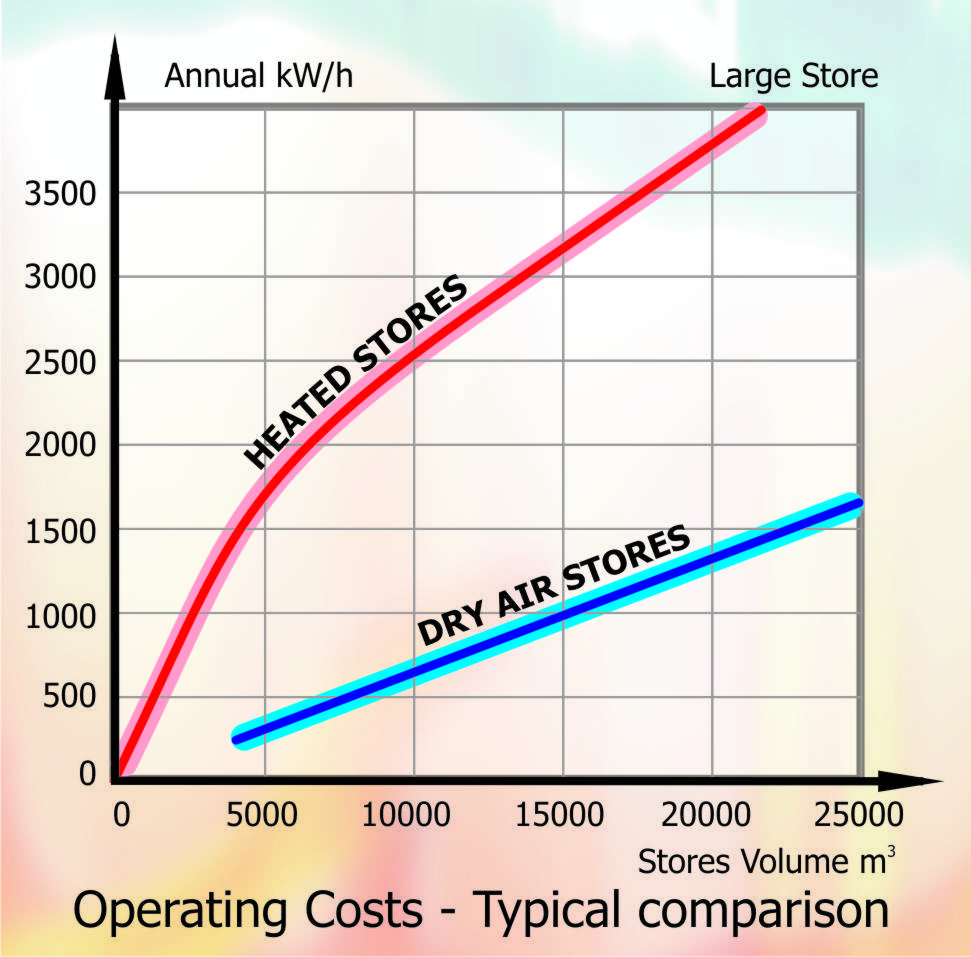
Key point: Most products not effected by ambient temperatures. Most products are effected by moisture.
Conclusion
Chemical dehumidification is indeed very diverse and can be used for many applications. Some less obvious but interesting projects under the Preservation sector include:
- Oil rig lay-up
- Suspension bridge anchor chambers and internal girders
- Oil tanker lay-up
- Military aircraft avionics protection
- Automotive car panel protection
- Boiler protection
- Military tanks
- Nuclear waste storage
- Precision tool storage
- Ammunition storage
- Refrigerated display cases
- Large gear cases
- Museums
- Underground archives
Understanding the principles of dehumidification is a specialist subject but the basics can be reasonably applied by most engineers familiar with air conditioning principles.
Use of the Mollier diagram or psychrometric chart is a great help and familiarisation with this tool is highly recommended to anyone who is looking at dehumidification as a solution to any related moisture problem.
NOTE: Our sincere thanks go to Mike Creamer of Business Edge Ltd. Re-creation of Drawings by Business Edge Ltd.
DISCLAIMER: Whilst every effort is made to ensure absolute accuracy, Business Edge Ltd. will not accept any responsibility or liability for direct or indirect losses arising from the use of the data contained in this series of articles.